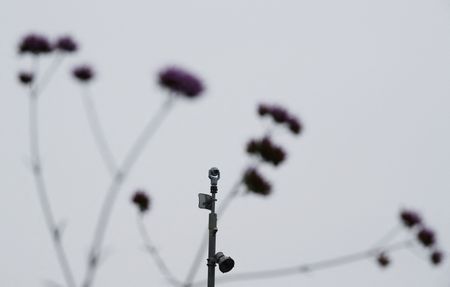

LONDON, Dec 4 (Reuters) - Use of facial recognition technology will be expanded across Britain's police forces to help track down criminals, the government said on Thursday, as it proposed a new body to oversee its use.
The technology is already used by London's Metropolitan Police, which has made 1,300 arrests using facial recognition in the last two years, including rapists, domestic abusers and violent criminals, and found more than 100 sex offenders who had breached their licence conditions.
Civil liberties group Big Brother Watch, however, called the planned expansion of facial recognition a grave threat to privacy.
"Laws in Europe protect the public against facial recognition mass surveillance, but Britain is an outlier in the democratic world with the public now watched by these cameras and treated like suspects on an almost daily basis," the group said.
The Metropolitan Police uses live facial recognition at major events such as soccer matches and the Notting Hill Carnival to identify people on its watch lists.
The technology also helps police in criminal investigations search footage from mobile phones, video doorbells and CCTV against its database of images of people taken on arrest.
Crime and Policing Minister Sarah Jones said facial recognition was the biggest breakthrough in catching criminals since DNA matching.
"It has already helped take thousands of dangerous criminals off our streets and has huge potential to strengthen how the police keep us safe," she said. "We will expand its use so that forces can put more criminals behind bars and tackle crime in their communities."
Big Brother Watch said surveillance was already out of control, with over 7 million people in England and Wales scanned by facial recognition cameras in the last year, according to police records.
"Live facial recognition could be the end of privacy as we know it," said Big Brother Watch director Silkie Carlo, adding that with the possibility of the government introducing mandatory ID cards with facial biometrics, "we are hurtling towards an authoritarian surveillance state that would make Orwell roll in his grave".
The government said it would launch a 10-week consultation to examine the benefits of the technology and any safeguards needed to ensure public confidence, including privacy protections.
It proposed creating a single body to oversee and regulate police use of facial recognition and similar technologies.
(Reporting by Paul SandleEditing by Frances Kerry)