


By Martin Petty and Panarat Thepgumpanat
BANGKOK, Dec 12 (Reuters) - Thailand is set for an earlier-than-expected election after Prime Minister Anutin Charnvirakul dissolved parliament amid a fierce border conflict with Cambodia and political turmoil that risked the collapse of his fragile minority government.
WHAT'S THE ELECTION PROCESS?
A general election must take place within 45 to 60 days, most likely in early February, and Anutin's government will continue in a caretaker role until a new administration is formed after the vote.
There are 500 house seats available, with 400 constituency seats and 100 allocated on a party-list basis. Parties can submit up to three prime ministerial candidates.
Negotiations to form the next government would typically begin immediately after preliminary results were available on election night, with the winning party and rival contenders manoeuvring and horse-trading to form alliances.
The election commission must certify results within 60 days. After that, the new parliament must convene within 15 days to elect speakers. It would then meet to elect a prime minister and any party with at least 25 seats can propose a candidate from among the names submitted before the election.
The support of more than half of the house is needed to become prime minister and, if a candidate fails to reach that threshold, other names can be nominated and the process is repeated until a prime minister is elected.
WHY DID ANUTIN DISSOLVE PARLIAMENT EARLY?
Anutin struck a deal with the opposition People's Party, the largest force in parliament, under which, in return for its backing, he would start the process of amending the constitution and then dissolve the house at the end of January.
But after squabbles in the legislature on Thursday about the amendment process, the People's Party said Anutin had reneged on the agreement. Facing the risk of being ousted in a no-confidence vote, Anutin dissolved the house.
Some analysts say Anutin's move was not entirely defensive. By calling a snap election while the military is fighting Cambodia in the name of defending Thai sovereignty, Anutin could capitalise on patriotic sentiment. His steadfast support for the military could also earn him powerful allies among royalist generals with far-reaching political influence.
WHO IS BEST PLACED TO WIN?
Opinion polls consistently show the progressive opposition People's Party is Thailand's most popular. With its mastery of social media and huge appeal among young and urban Thais, it will be a force to be reckoned with having won the last election in 2023.
But the party's liberal, anti-establishment agenda represents a threat to powerful elites and business groups in Thailand, including plans to break up monopolies, end military conscription and reform a judiciary at the centre of two decades of political upheaval.
Courts have dissolved the two previous incarnations of People's Party, including Move Forward, which was blocked from forming a government in 2023 by lawmakers allied with the royalist military. With powerful enemies who have sway over key institutions, People's Party could face hurdles again in its quest for power.
CAN ANUTIN WIN RE-ELECTION?
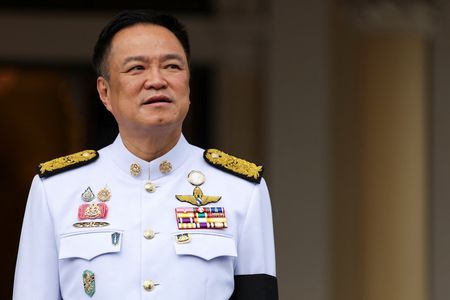
Anutin, 59, is a savvy dealmaker and political pragmatist who has negotiated key ministerial posts and a place for his Bhumjaithai Party in numerous coalition governments.
A staunch royalist who has served as a bridge between rival political clans, Anutin's rise to the premiership demonstrated his ability to outmanoeuvre opponents. In August, just moments after a court dismissed then Prime Minister Paetongtarn Shinawatra for an ethics violation, Anutin embarked on a lobbying spree to rally support to fill the void, convincing parties and factions to abandon the ruling Pheu Thai party's coalition and back him instead.
To remain prime minister, Anutin needs to drum up support in the countryside and in new areas to expand significantly on Bhumjaithai's 71 seats in the last election and use his influence among key conservatives to help form an alliance capable of keeping People's Party at bay. Another pact with the once-powerful Pheu Thai cannot be ruled out.
(Reporting by Panarat Thepgumpanat and Martin Petty; Editing by Alex Richardson)