By Nacho Doce and Joan Faus
BELLATERRA, Spain, Dec 1 (Reuters) - Spain, which is mobilising to contain an outbreak of African swine fever in Barcelona, received confirmation from major pork importer China on Monday that it can resume pork exports to the country from all other regions, its agriculture minister said.
Spain halted all pork shipments to China on Friday as a precaution until Beijing confirmed it had implemented a protocol signed earlier this year which meant it would only ban imports from regions affected by the virus.
China accounts for 42% of Spain's pork exports outside the European Union. Spain is the EU's leading pork producer, accounting for roughly a quarter of the bloc's output, ahead of Germany, with annual pork exports of about 3.5 billion euros ($4.05 billion).
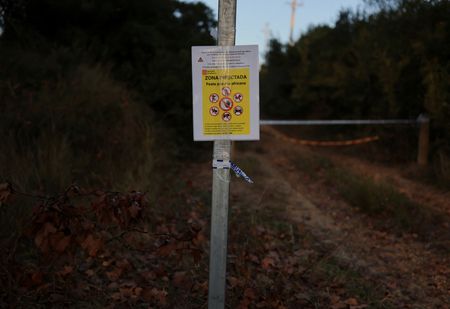
Authorities confirmed on Friday that two wild boar found dead had tested positive for African swine fever, last recorded in Spain in 1994. A 6-km exclusion zone was set up around the affected area in Bellaterra, on the far side of the Collserola mountain range from the coastal city.
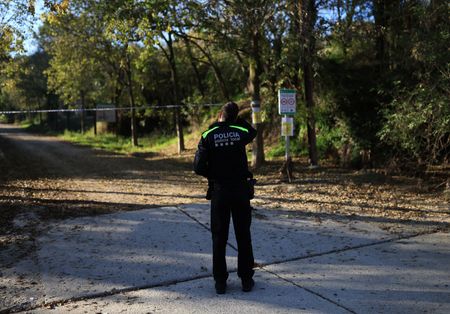
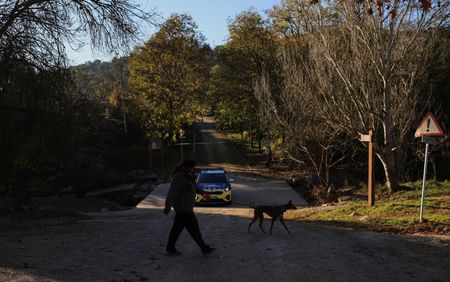
Four hundred Catalan police and rural wardens were deployed to the area in northeastern Spain at the weekend, followed by 117 members of Spain's military emergency unit on Monday, who will use drones to locate and remove potential infected animals.
"Our objective is to limit the zone and avoid contagion to other regions," Agriculture Minister Luis Planas told reporters late on Monday after a meeting with sector representatives.
RISK TO SPAIN'S PORK INDUSTRY
African swine fever, while harmless to humans, spreads rapidly among pigs and wild boar, posing a significant economic risk to Spain, one of the world's largest pork exporters.
Officials suspect the virus may have spread after a wild boar ate contaminated food, possibly a sandwich brought from outside Spain.
"The most likely option ... is that cold cuts, a sandwich, contaminated food, could end up in a bin ... and then that a wild boar would have eaten it and become infected," Catalonia's agriculture minister Oscar Ordeig told local radio on Monday.
The infected area is close to the AP-7 highway, a major transport route linking Spain and France. Eight more suspected cases were being investigated and more cases expected, regional authorities said.
As officials await final test results, Ordeig later told a briefing it was likely that human activity brought the virus to Spain from other parts of Europe, since no infected boars had been found elsewhere in Catalonia or neighbouring France.
A European Commission spokesperson said it would not comment on the source of the outbreak until results of sequencing tests were known. A team of EU veterinarians will visit the area this week to survey, provide advice and prepare a report with recommendations, the spokesperson said.
Spain's agriculture minister Luis Planas said Saturday that about one-third of the country's pork export certificates have been blocked as a result of the outbreak, though no farms have tested positive so far. Pork farms within a 20-km radius of the initial infection site are facing operating and sales restrictions.
(Additional reporting by Philip Blenkinsop in Brussels and Victoria Waldersee and Emma Pinedo in Madrid. Writing by Emma Pinedo, Victoria Waldersee, editing by Aislinn Laing, Ros Russell and Daniel Wallis )