By Laura Garcia
TEGUCIGALPA, Dec 8 (Reuters) - Honduras' conservative National Party candidate Nasry Asfura, backed by Donald Trump, edged ahead in the count of the Central American nation's presidential election on Monday, in an extended process marked by delays and accusations of fraud.
With 97% of the ballots tallied, Asfura, a 67-year-old former Tegucigalpa mayor, had 40.52% of the vote as election officials resumed releasing updated results for the November 30 vote, leading his closest competitor by just 42,100 votes.
Salvador Nasralla, a television host and three-time presidential hopeful, trailed with 39.18%. The two have repeatedly traded the lead during the count, but on Monday afternoon Asfura's lead began to widen slightly.
Rixi Moncada, the ruling Libre Party's candidate and a former leftist minister, was in third place with 19.32%, roughly half the support of her two main rivals.
"After carrying out the necessary technical actions (with external auditing), the data is now being updated in the results," Ana Paola Hall, president of the National Electoral Council (CNE), said on X.
She urged candidates to remain alert and file any legal challenges as required.
The count was frozen on Friday afternoon with some 88% of the ballots processed. About 16% of tally sheets showed inconsistencies and will be reviewed, according to the CNE.
SLOW COUNT
The prolonged count has prompted international election monitors to call on Honduran authorities to speed up the process and take steps to restore public confidence in the results.
Nasralla has alleged fraud, while Moncada has demanded the annulment of the entire election and said her party is calling for protests and strikes.
On Monday, streets in Tegucigalpa and other cities remained calm. But memories linger of the contested 2017 vote, when security forces opened fire on protesters, killing at least 16 people, according to a U.N. report. About 30 people were killed in total as mass protests swept the country.
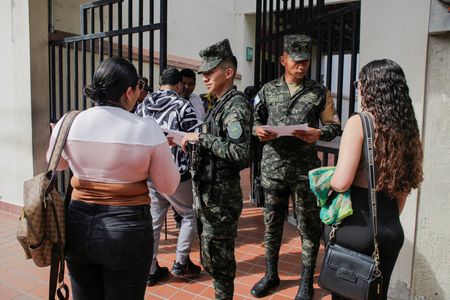
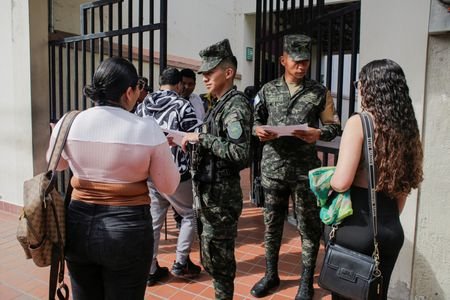
The November 30 vote unfolded peacefully, according to independent observers. But the release of results has been chaotic, with fluctuations fueling frustration over the tight race. CNE officials have blamed the company behind the tabulation platform for the slow count.
TRUMP FACTOR
The election has been further complicated by the involvement of Trump, who has strongly backed Asfura and alleged fraud earlier on during the count. He also signaled he could cut funds to Honduras should another candidate win.
Days before voting began, Trump also announced he would pardon a former president of Asfura's National Party: Juan Orlando Hernandez, who had been serving a 45-year sentence in the U.S. after being convicted on drug trafficking and weapons charges.
On Monday, Honduras' attorney general said he had issued an international warrant for Hernandez' arrest.
His wife, who maintains his innocence, said last week he would not immediately return to Honduras for security reasons and was in a "safe place" in the U.S.
(Reporting by Laura Garcia in Tegucigalpa and Diego Ore in Mexico City, Writing by Laura Gottesdiener in Monterrey, Mexico; Editing by Matthew Lewis and Stephen Coates)