
When Jungle Law Creeps Into the Heart of a Democracy
National Geographic often shows a stark, unfiltered scene: a dry savannah under a burning sun, a herd grazing nervously, then sudden panic as a hungry lion charges. Dust rises, hooves scatter, a brief desperate struggle and then silence. The pride surrounds its prey, mercilessly tearing into it, while the rest of the herd watches, helpless. This is nature raw and unsentimental. It’s the law of the jungle: the strong devour the weak.
Societies, especially ones that proclaim themselves champions of democracy and human rights, should be better than jungle law.
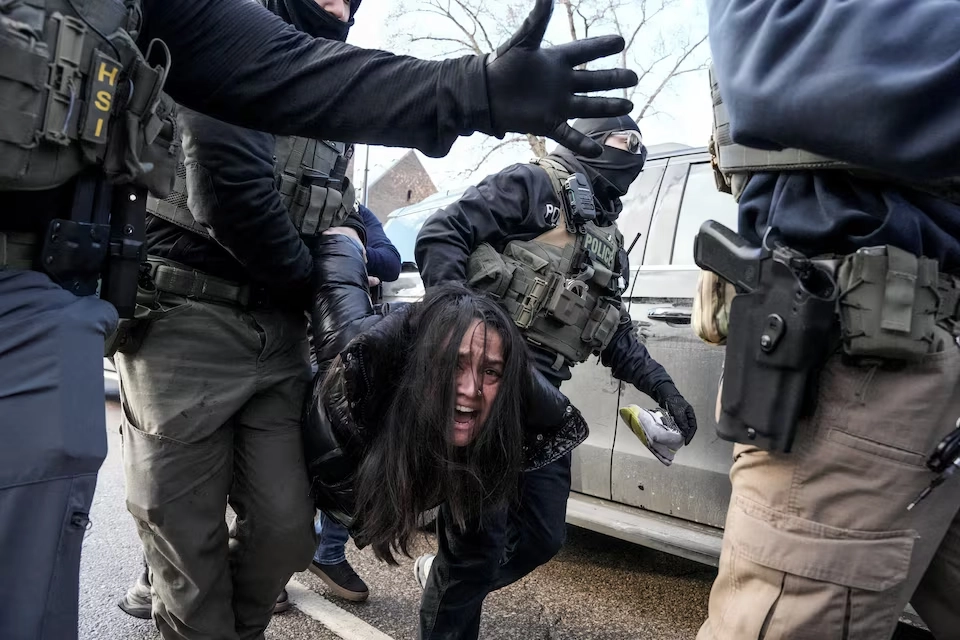
Yet what the world has witnessed in recent months, since the rise of MAGA politics and Donald Trump’s return to presidential power, is a storm of far-right rhetoric translating into racialized retribution and increasingly militarized immigration enforcement. At the center of this shift is the U.S. agency responsible for deportations and interior immigration enforcement: Immigration and Customs Enforcement (ICE).
A Democratic Promise Distorted?
The Second Paragraph of the Declaration of Independence is especially striking. The Founding Fathers seemed to understand that a time could come when democracy itself might be distorted when the will of the majority is used to justify oppression, and power is claimed in the name of the people while being exercised against them:
“That whenever any Form of Government becomes destructive of these ends, it is the Right of the People to alter or to abolish it…”
The moment a democratically elected seat is mistaken for an emperor’s Peacock Throne, democracy erodes and authoritarian, Hitler-like behaviour begins to emerge.
A government that kills its own citizens has abandoned its purpose. By this standard, its legitimacy must be examined and its right to govern seriously questioned.
Is this the moment of split in American society echoing the forces that drove the nation toward Civil War? Today’s polarization, particularly around enforcement of immigration law, pits communities and regions against each other in ways that recall the north-south fractures of the 1860s. Then, disputes over fundamental rights and the limits of government power tore the nation apart; now, debates over enforcement tactics and federal authority are testing the resilience of shared democratic norms.
There is also a sobering global dimension to consider: will the behaviour of ICE agents and federal law enforcement in the U.S. become a model for the world? If violent enforcement and militarized raids against vulnerable populations become normalized in the name of “law and order,” other governments may feel emboldened to adopt similar tactics, eroding human rights standards under the guise of immigration control.
A Record Year of Detentions and Deaths in Custody
Under the Trump administration’s intensified immigration agenda, enforcement operations have surged to levels unseen in recent years. In 2025, ICE detained nearly 68,000 people nationwide, reaching record highs in detention populations across the country.
Tragically, 2025 also became one of the deadliest years on record for detainees in ICE custody: 32 people died while detained, making it the highest annual total in more than two decades. Critics argue that oversight and inspections of detention centres have sharply declined even as detentions soared — diminishing accountability and increasing risks to those held in custody.
Two High-Profile Shootings Trigger Outrage
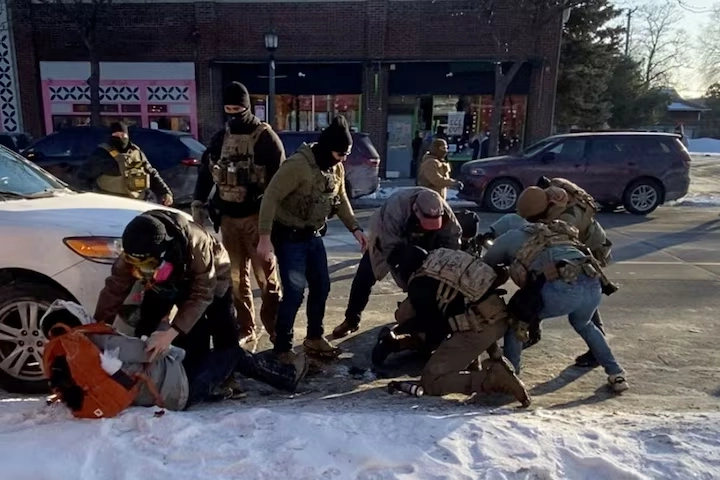
The brutality of enforcement operations came sharply into focus with two fatal shootings by federal agents in Minneapolis, Minnesota:
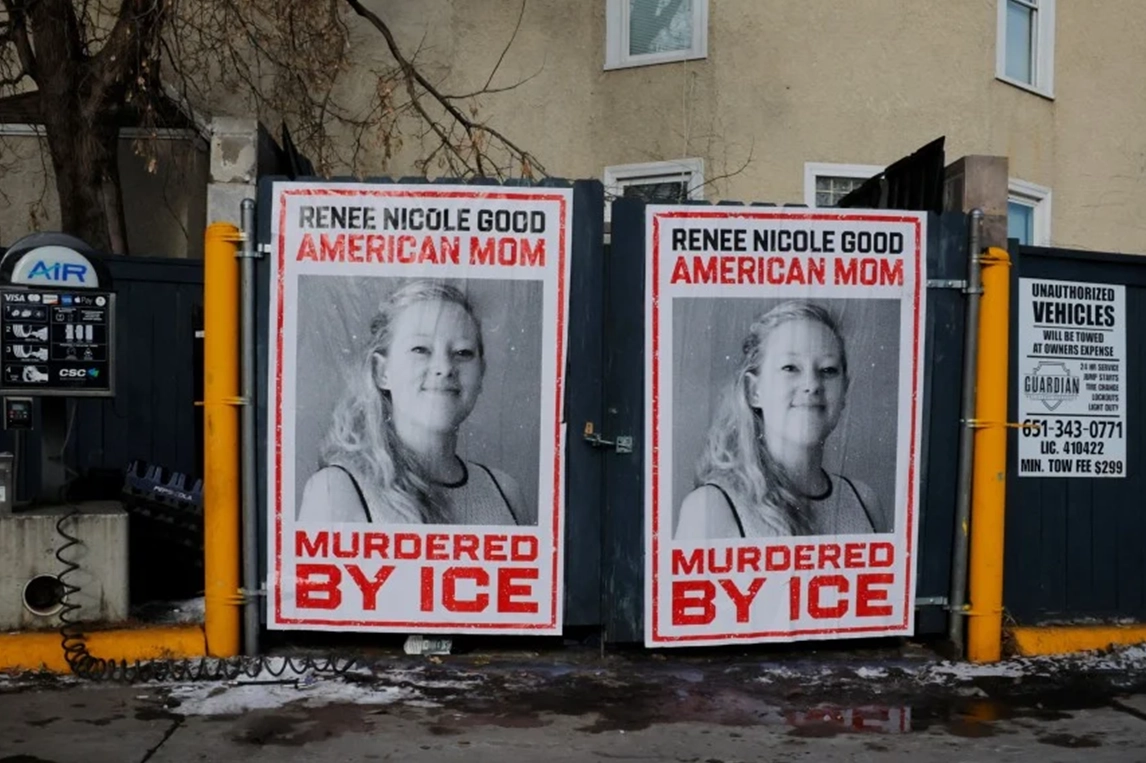
- On January 7, 2026, U.S. Immigration and Customs Enforcement officer Jonathan Ross fatally shot Renée Nicole Good, a 37-year-old U.S. citizen, during a controversial encounter near an immigration operation.
- On January 24, 2026, federal agents fatally shot Alex Jeffrey Pretti, a 37-year-old ICU nurse and legal firearm owner, during tensions linked to immigration enforcement actions.
Both deaths have sparked national protests, political debate, and challenges to federal authority drawing comparisons to past moments in American history when the nation’s conscience was tested.
Family Voices: Grief and Calls for Justice
Pretti’s family described him as a compassionate man involved in community service and activism. They strongly dispute federal accounts that he posed a threat to agents, stating that witness videos suggest he was holding only a phone and trying to help others when he was killed.
Good’s family and neighbours mourned her loss as a tragic and unnecessary death. A private autopsy revealed she was shot multiple times, including a fatal wound to her head, intensifying calls for independent investigations and accountability.
Expert and Civil Rights Responses
Civil liberties organisations have condemned the killings and the overall trajectory of enforcement tactics. The American Civil Liberties Union and its Minnesota affiliate demanded immediate action and withdrawal of aggressive federal agents, arguing the violence undermines community safety and constitutional rights.
Legal scholars warn that heightened enforcement without robust oversight risks setting a precedent that could be emulated globally where states expand the power of law enforcement agencies at the expense of civil liberties.
Wider Impacts: Polarization, Protest, and Institutional Strain
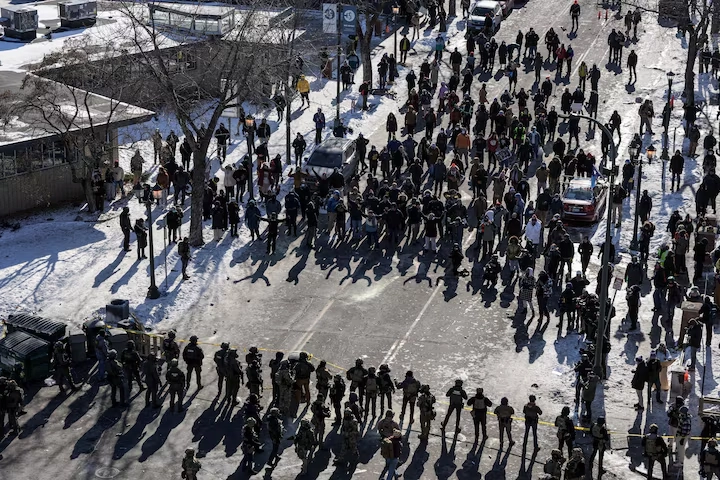
In Minneapolis and beyond, protests have drawn thousands of participants demanding an end to aggressive federal immigration operations. National Guard units have been activated amid escalating tensions, underscoring how sharply divided local and federal perspectives have become.
Conclusion: A Crossroads for America
These events are not isolated tragedies: they are part of a broader crisis of legitimacy, accountability, and democratic norms. Constitutional democracy should protect the rule of law, humane treatment, and the dignity of all individuals, not simply enforce power without consequence.
As families grieve and communities demand answers, the nation faces a critical choice: reaffirm justice, transparency, and respect for human life or allow the raw logic of jungle law to encroach on the promise of democracy.