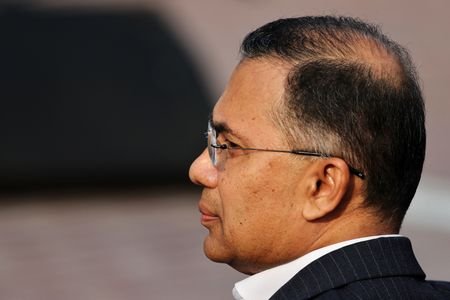
DHAKA, Feb 19 (Reuters) - Bangladesh’s new Prime Minister Tarique Rahman has pledged to stabilise prices during the Muslim holy month of Ramadan, restore the rule of law and advance economic and infrastructure reforms following his party’s landslide victory in parliamentary elections.
Rahman, 60, the son of former Prime Minister Khaleda Zia and assassinated President Ziaur Rahman, was sworn in on Tuesday and assumes office at a pivotal time for the nation. He faces urgent challenges, including restoring political stability, rebuilding investor confidence and reviving key industries such as the garments sector after the 2024 uprising that brought down the government of Sheikh Hasina.
In a televised address late on Wednesday, Rahman extended Ramadan greetings at the start of the holy month and warned traders against profiteering. The prices of staples such as rice, edible oil, sugar and lentils typically surge during Ramadan due to increased demand.
“Ramadan is a month of self-purification. This period should not increase public hardship,” Rahman said. “Do not treat Ramadan as a month for profit. Ensure essential goods remain affordable.”
His remarks come as inflation remains elevated. Bangladesh’s annual inflation stood at 8.58% in January 2026 - the highest since May 2025 - with food prices continuing to strain household budgets.
Rahman said his government would dismantle market syndicates that exploit consumers and strengthen mechanisms to protect both buyers and sellers.
Improving law and order and enforcing strict anti-corruption measures will be the administration’s foremost priority, he added. “The rule of law will be the final word in governing the state - not party influence, political power or coercion.”
The prime minister also outlined plans to overhaul and expand the national railway network and improve coordination among the rail, road, waterways and bridge ministries to create an integrated transport system aimed at easing urban pressure and boosting connectivity.
(Reporting by Ruma Paul; Editing by Raju Gopalakrishnan)

