(Corrects surname of ecologist to Zepeda from Zepada in paragraph 5)
By Tamara Corro
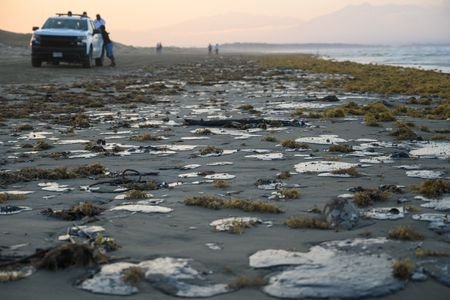
COATZACOALCOS, Mexico, March 20 (Reuters) - Residents along Mexico's Gulf Coast fear more crude oil will wash onto beaches in Tabasco and Veracruz states nearly a month after the first signs of contamination were detected, as authorities investigate the source of the spill.
The contamination has affected 230 km (143 miles) of shoreline and 39 communities in the two states, according to the Gulf of Mexico Reef Corridor Network, a coalition of fishing, Indigenous and environmental groups.
Many affected communities depend on fishing and tourism and worry the spill could damage their livelihoods ahead of the Easter holidays, when beaches typically attract visitors.
The group said the crude has reached Ostion lagoon in Veracruz, a breeding area for fish, shrimp and clams. It has raised concerns about the lack of information on damage to wildlife and warned that coastal ecosystems must be cleaned quickly before sea turtle nesting season begins in April.
"These slicks are going to keep spreading," ecologist Alex Zepeda said during a cleanup in Coatzacoalcos, holding the remains of a sea turtle coated in tar.
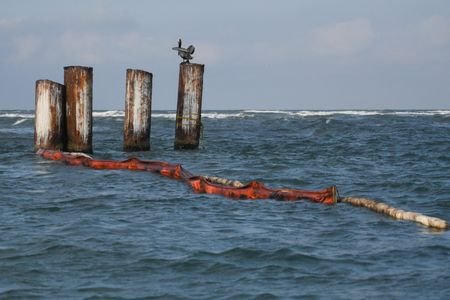
"Part of this oil residue is here on our beaches, but some of it is surely still miles offshore," he said, calling for absorbent barriers to help contain the pollution at sea.
President Claudia Sheinbaum said on Thursday the government was investigating the spill, which may have originated from an oil tanker off Tabasco. She said state oil company Pemex was not responsible.
Pemex has been working with environmental authorities on the cleanup, and about 95 metric tons of waste have been collected from beaches, officials said.
Environment Minister Alicia Barcena said this week that a discharge had occurred near an offshore anchorage by the Pajaritos petrochemical complex, where ships unload cargo.
She said authorities believed a private vessel was the most likely source, though the investigation was continuing.
(Reporting by Tamara Corro in Coatzacoalcos, Mexico; Writing by Adriana Barrera and Kylie Madry; Editing by Rod Nickel)