By Tora Agarwala
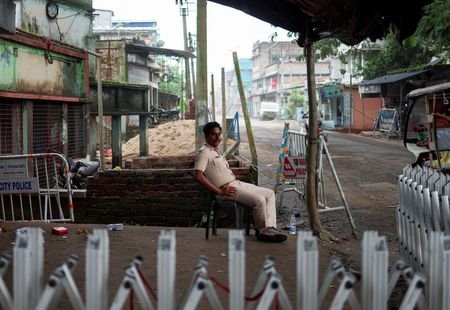
BARUIPUR, India, July 15 (Reuters) - On a Saturday evening this month, an 11-year-old girl left her home for a friend's birthday party in a small town in eastern India.
She never returned.
She was kidnapped, raped, bundled into a sack and thrown into a pond by a gang of men while still alive, according to a local investigating police officer.
The assault was the latest example of the brutal sexual violence that is endemic across India, with over 80 rapes reported to police every day, according to data from the National Crime Records Bureau. Many more assaults go unreported because of victim blaming and shaming, activists say.
Deep-seated patriarchy and misogyny, understaffed police forces and severe judicial delays contribute to many perpetrators believing they can escape punishment for assaulting women. That sense of impunity feeds into the unrelenting spread of such cases, activists say.
The gang rape of a student in Delhi in 2012 triggered sweeping legal reforms, including more severe punishments for those convicted and fast-track courts. India's economy has surged since then and the nation has been propelled into the ranks of the world's elite, but its dismal record on sexual violence remains unchanged.
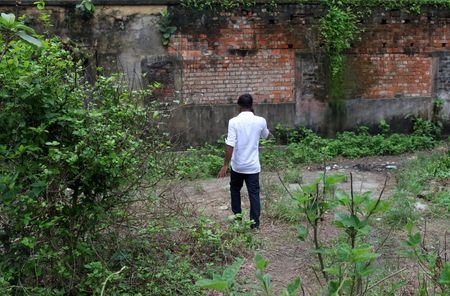
In Baruipur, stunned locals, her 46-year-old father among them, watched as the girl's lifeless body covered in bite marks and bruises was pulled from the trash-strewn pond on the morning of July 5, a day after she went missing, according to interviews with the police and residents.
"My mind is not working. I have not been able to think straight in days," the girl's father told Reuters.
Reuters is withholding the identities of the victim and her family because Indian law bars the disclosure of details that could identify survivors or victims in such cases.
The incident has put Prime Minister Narendra Modi's Bharatiya Janata Party on the spot just months after it took power for the first time in West Bengal state, where Baruipur is located, with women's safety among its top poll promises.
But activists say no change of government can fix deep-rooted failures such as the patriarchy that rules most Indian communities, the lack of gender-progressive administrators in the police and judiciary and sexual violence tied to caste hierarchies.
India recorded 29,536 rape cases in 2024, little changed in recent years, while sexual offences against children have risen sharply over the past decade. Cases under the Protection of Children from Sexual Offences Act (POCSO) reached a record 69,191.
In the past month alone, at least two other cases have drawn national attention.
In northwestern Rajasthan state, a 12-year-old girl was abducted, drugged and raped by multiple men over four days in various hotels before she was rescued, local police told Reuters. So far, 22 people have been arrested, police said.
On Monday, the Times of India newspaper reported that a 7-year-old girl was raped before being killed and her body thrown into an empty shaft of an under-construction shopping mall in Ghaziabad, about 30 km (20 miles) from India's parliament.
Karuna Nundy, a lawyer who helped draft anti-rape laws, said that no government had seriously attempted to "uproot the misogyny and patriarchy" that lie at the root of this problem.
"There needs to be a sustained effort towards changing behaviour at the community level," she said. "It is crucial to recruit the right kind of police personnel and appoint judges who have a gender progressive understanding of these issues."
NOTHING HAS CHANGED
Tougher sentences followed the 2012 gang rape and murder of the woman in a moving bus in Delhi, a case that shocked India and triggered one of the biggest public protests in the country in years.
"Nothing is going to change simply because the regime changes. This is a deep-rooted problem embedded in our patriarchal culture, not just in West Bengal but across India," said Satabdi Das, a gender rights activist based in Kolkata.
The government had originally projected it would set up 2,600 fast-track special courts for sexual crimes by 2026, but according to the latest government data only 755 such courts have been set up, including 410 exclusive POCSO courts, across the country.
India's National Commission for Women, a government-appointed watchdog, said that the incident in Rajasthan reflected "serious administrative lapses, policing gaps and inadequate monitoring mechanisms that allowed such criminal activities to continue."
Hari Shankar Yadav, a senior Rajasthan police officer, said the department had taken proactive steps to arrest the main accused within hours of the case being registered and rescued the child.
In the Baruipur case, the girl's family said a faster police response to the initial missing-person complaint that night could have saved her life.
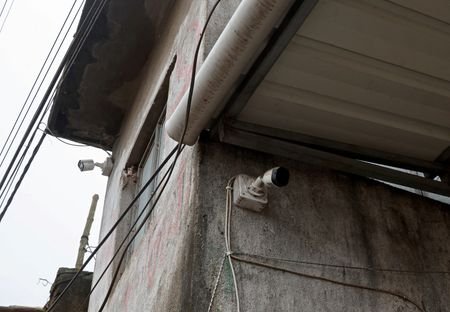
"Apart from asking a few locals about her whereabouts, the police did not do much," a close friend of the family told Reuters. The locals decided to examine CCTV footage themselves, and sourced clips from two such cameras.
Arvind Kumar Anand, a police officer in Baruipur, said the department was looking at internal reports "to see who made what mistake."
EXTRAJUDICIAL KILLINGS
Public anger over slow trials has also fed support for so-called "encounter" or extrajudicial killings, in which police shoot suspects in disputed circumstances, rights activists say.
In the Baruipur case, one man suspected in the crime was killed after officers opened fire when he snatched a weapon from a police team, police said.
Agnimitra Paul, a BJP state minister in West Bengal, said four accused had been arrested and one was "killed in an encounter", adding: "The message is very clear from our government that we are not going to tolerate any kind of nonsense."
Opposition leaders and human rights activists say such killings bypass due process and weaken the justice system.
"The police shooting of suspects is a spectacle designed to assuage the anxiety of society; that instant justice will make the crime disappear," said Vrinda Grover, a lawyer and rights activist.
"Far from deterring crime, it gives impetus to the arbitrary powers of the police and the state over the lives of citizens."
(Reporting by Tora Agarwala in Kolkata; Editing by Aftab Ahmed and Raju Gopalakrishnan)