By Krisztina Fenyo and Krisztina Than
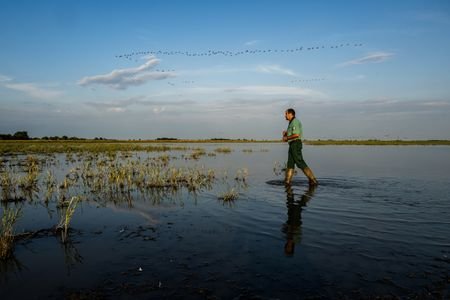
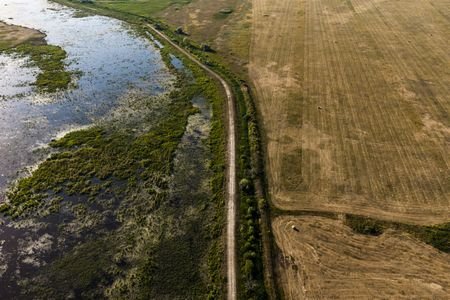
HORTOBAGY NATIONAL PARK, Hungary, July 17 (Reuters) - Hungarian authorities have been channeling water into a vast area within the country's Hortobagy National Park, a UNESCO World Heritage site, to ensure its marshlands do not dry out because of this year's severe drought.
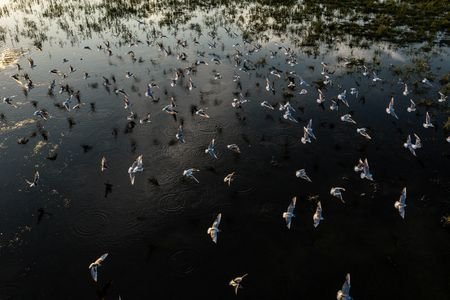
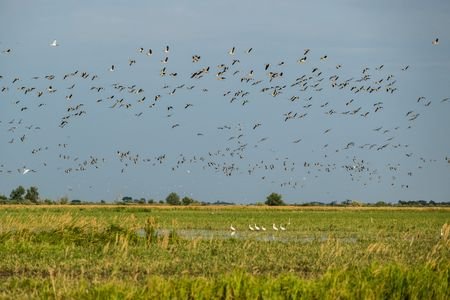
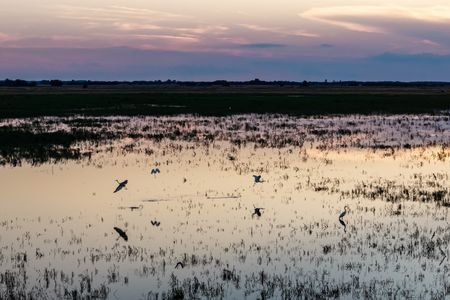
The Hortobagy "Puszta", a magnet for tourists, comprises plains and wetlands in eastern Hungary and is an important stopover for tens of thousands of migratory birds, which build nests and breed here before flying to Africa as autumn nears.
The area called "Fekete ret" (Black Meadow) is the largest marshland and once belonged to the former floodplains of the Tisza river, with its lower-lying parts irrigated by the floods. However, the area dried up for the first time in 2013. Then in 2022, at the time of the previous severe drought, it dried out completely and more than 800 hectares burned down.
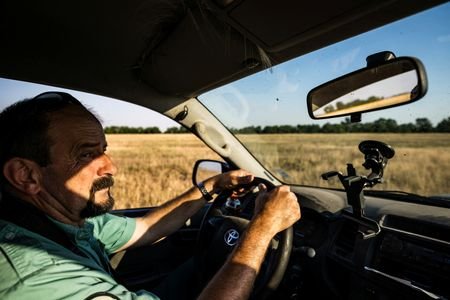
"Unfortunately, the groundwater level in the area has been continuously decreasing," said Lajos Gal, a regional unit manager of the Hortobagy National Park Directorate with more than three decades of experience working in the marshes.
"This is a very special year because the heat arrived very early, and we started the year with a very large water deficit. The spring was not rainy... and the swamp beds could not fill up. This year we managed to get water from the water department for ecological water replenishment."
Gal said about 2 million cubic meters of water have been channeled to the marshes and it is still flowing from the Nyugati irrigation canal. Without this, the entire area would be completely dry by now.
MIGRATORY BIRDS AFFECTED
Climate change and less precipitation have long had an impact, also affecting birds' migration patterns, he added.
"The spring migrations are starting earlier... Since there are no really cold winters, we don't really have to wait for a warming after the long winter and then the spring migration begins, but the birds come back over a prolonged period, not all at once."
He said many species that he would see in his childhood had practically disappeared, but added: "Also, there are species, for example the little pygmy cormorant, which we almost never saw when I was a child, and nowadays there is a quite nice population here in the Black Meadow."
Gal said a long-term solution should be found, and the waters that flow into Hungary should be retained as much as possible to ensure the survival of the wetlands, which also create a microclimate and can influence groundwater balance.
(Writing by Krisztina ThanEditing by Gareth Jones)