
Every hour, five women or girls somewhere in the world are killed by a partner or a close family member. That's the finding of new UN figures, released on the eve of today's International Day for the Elimination of Violence against Women. It's a reminder that the most dangerous place for many women is still their own home.
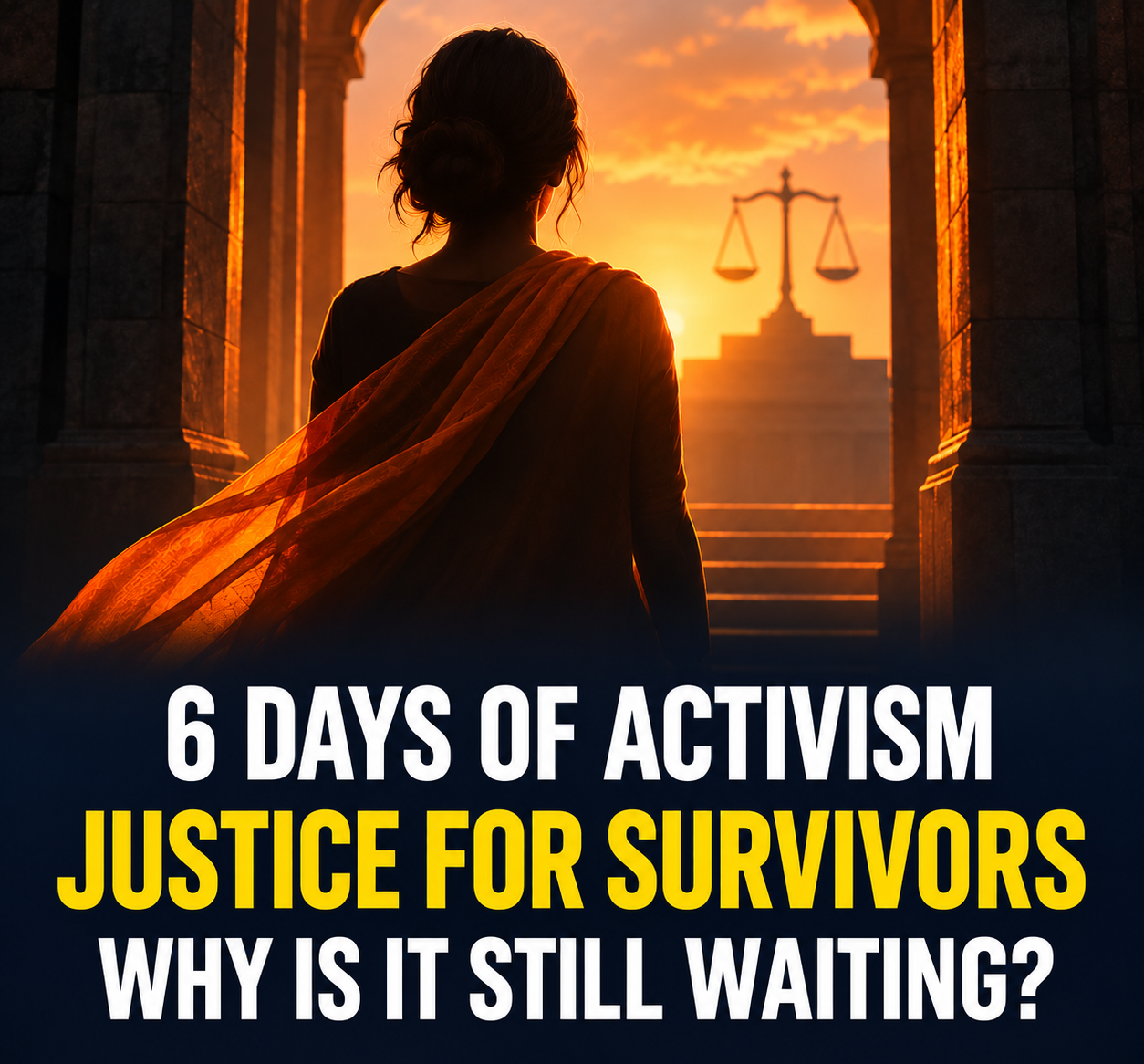
Today also starts the 16 Days of Activism against Gender-Based Violence, which run until Human Rights Day on 10 December. This year's theme is "Ensure justice, protect survivors, end impunity." It points to a hard truth: many countries now have laws against violence against women, but enforcing them is a different story.
The global picture
According to UN Women and the UN Office on Drugs and Crime (UNODC), about 47,000 women and girls were intentionally killed by partners or relatives in 2025. That's about five every hour. Behind each number is usually a history of warning signs that went unreported, unheard or unpunished.
The 2026 theme moves the focus from awareness to accountability. The question is no longer whether violence against women is wrong. It's whether justice systems actually protect survivors and punish the people who harm them.
Pakistan: strong laws, weak justice
Pakistan has passed important laws over the past decade, including measures against "honour" killings and provincial domestic violence laws. The gap between law and outcome is still wide.
In May, senators in Pakistan's upper house raised the alarm about a "surge" in violence against women. Presiding officer Sherry Rehman said the conviction rate stood at only five per cent and called it "a systemic failure." Other estimates of convictions in honour-killing cases are far lower.
The Human Rights Commission of Pakistan (HRCP) has recorded hundreds of "honour" killings every year, and it warns that the real number is higher because of underreporting. Too often, cases are settled within families, witnesses withdraw, or investigations stall.
For survivors, the barriers start early. Police may be reluctant to register complaints. Families may pressure women to stay silent. Shelters and legal aid are limited, especially outside big cities.
The UK: rising abuse, stretched support
The UK has stronger systems on paper, but the picture is also worrying. According to the Crime Survey for England and Wales (year ending March 2026), about 4.7 million adults, or 9.6% of people aged 16 and over, experienced domestic abuse in the past year, up from 3.8 million the year before. Women were affected far more than men: about 3.2 million women compared with 2.1 million men.
The justice system is handling more cases, but outcomes are mixed. ONS figures show police recorded more than 816,000 domestic abuse-related crimes in 2024/25. The conviction rate for prosecutions fell for the second year in a row, to 74.7%. Behind those numbers are long court delays that leave many survivors waiting years for justice.
Support services are under strain too. Government figures show that more than 7,600 households in England couldn't get safe accommodation last year because services were full. The government has pledged to halve violence against women and girls by 2034, but charities such as Refuge warn it isn't on track.
For South Asian women in the UK, language barriers, immigration worries and family pressure can make reporting even harder.
The growing threat online
Abuse is also moving online. Last year's 16 Days campaign focused on digital violence: harassment, stalking, image-based abuse and deepfakes. For many women, abuse doesn't end at the front door. It follows them onto their phones.
What would make a difference
The 2026 theme points to clear priorities:
- Faster, fairer justice: specialist courts, trained police officers and prosecutors, and deadlines to stop cases stalling.
- Survivor protection: enough shelters, legal aid and mental-health support, including outside major cities.
- Ending impunity: no out-of-court "settlements" in serious violence cases, and real penalties for officials who refuse to act.
- Community change: challenging the idea that family "honour" or privacy matters more than a woman's safety.
- Online safety: tech platforms taking responsibility for abuse on their services.
Conclusion: from awareness to accountability
Over the next 16 days, landmarks around the world will light up orange in solidarity. But symbols aren't enough. In Pakistan, a 5% conviction rate tells women that justice is the exception. In the UK, millions of victims and full shelters show that even well-funded systems are struggling.
The message of this year's campaign is simple: laws only matter when they protect women in practice. Until survivors can count on being believed, protected and given justice, the violence will continue.
If you or someone you know is affected by abuse, contact local emergency services or a domestic abuse helpline in your country.
Sources:
- UN News: Five women killed every hour by partners or family members
- Al Jazeera: Five women killed every hour globally by partner, relative last year
- UN Women Asia-Pacific: 16 Days of Activism 2026
- Dawn: Senators alarmed by 'surge' in violence against women
- The Friday Times: 0.5% Convicted: The Endless Toll of Pakistan's Honour Killings
- The British Eye: Domestic Abuse Rises to 4.7 Million Victims
- ONS: Domestic abuse and the criminal justice system, November 2025