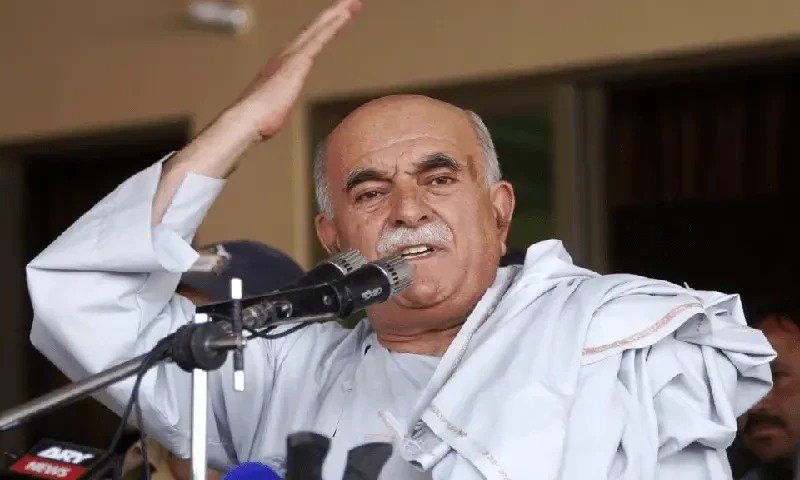
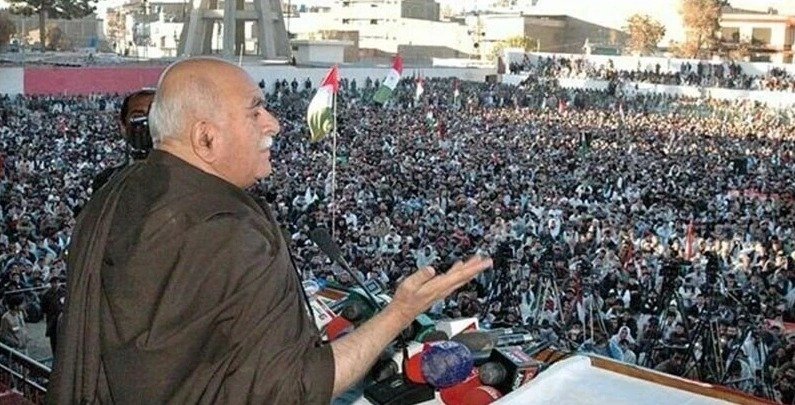
I had the chance to listen to Mashar Mehmood Khan Achakzai’s full speech in today’s National Assembly session. He presented Balochistan’s case powerfully and also spoke about the rights of Pashtuns living in the province, who today find themselves politically marginalised despite being a significant portion of the population.
 A brief look at history explains why this debate remains sensitive. During the late 19th century, the British divided the region administratively into British Balochistan and the Kalat State territories. Northern districts — including Quetta, Pishin, Zhob, Sibbi and surrounding areas — were governed directly by the British and were historically dominated by Pashtun tribal societies such as the Kasi’s, Durrani’s, Tareen and Kakar. Southern and western regions remained largely under Baloch tribal authority through the Khanate of Kalat under indirect colonial rule. This colonial boundary hardened a political separation between Pashtun-majority and Baloch-majority zones that continues to shape provincial politics even after independence.
Some of my Baloch friends may disagree with his stance, but historical records show that Quetta has deep Pashtun roots. Over time, demographic and political shifts have left many Pashtuns feeling pushed into a minority position in their own urban centre. Today, roughly one-third of the province’s population is Pashtun, yet proportional representation in executive power remains a recurring grievance, and Pashtun leadership has rarely been reflected in the office of Chief Minister. These concerns are not new, nor are they hidden.
At a time when discussions about creating new provinces are resurfacing, it is reasonable to argue that Pashtun-majority areas deserve serious consideration for autonomous provincial status. Such a step could allow their voices to be represented more effectively at both provincial and national levels.
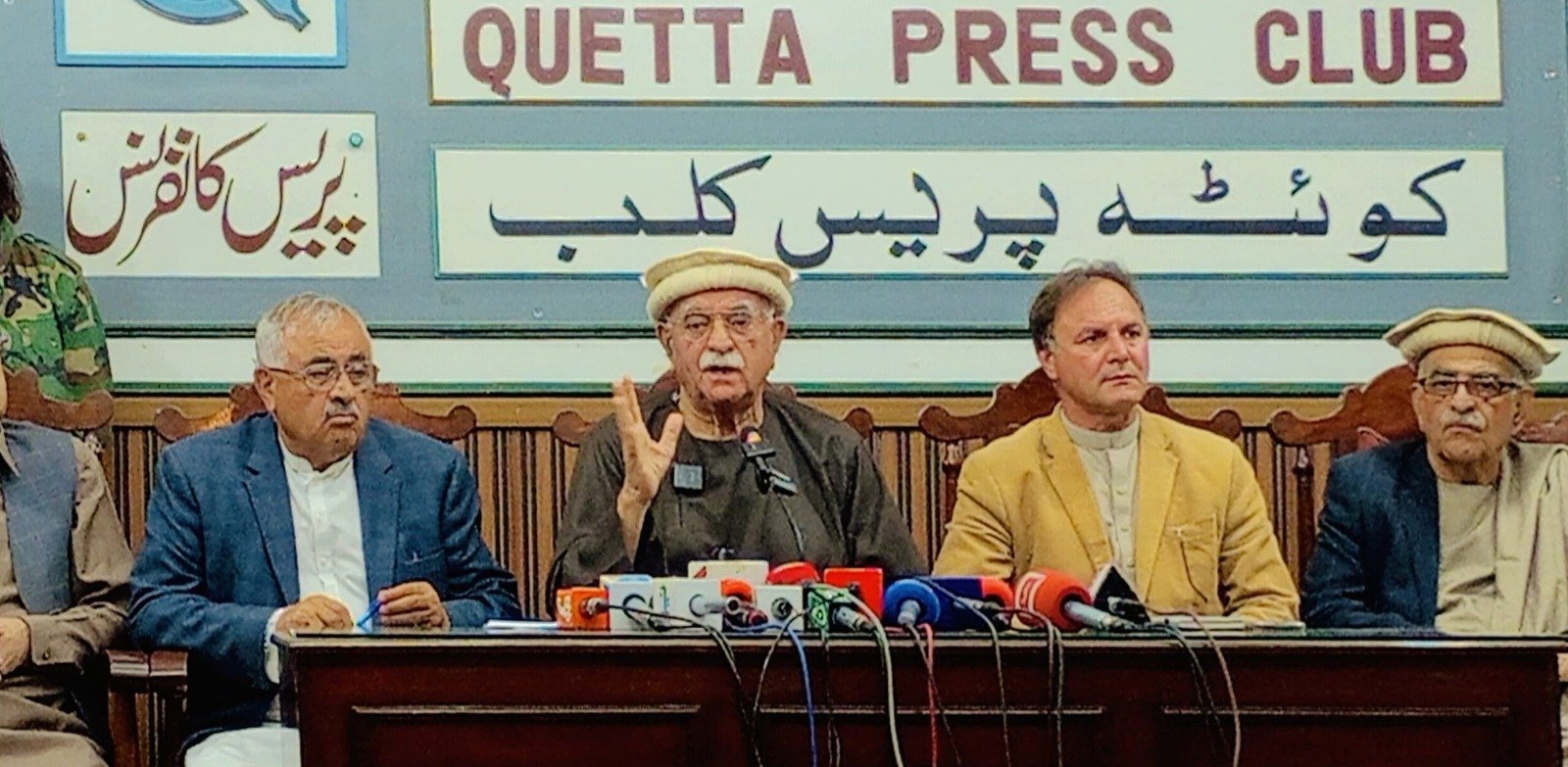
He also defended Imran Khan, and it was evident how concerned PTI leadership remains regarding his recent health situation. For many Pashtuns, Mashar Mehmood Khan Achakzai represents a rare figure who speaks openly about their political realities — not just in Balochistan, but across the country and beyond.
Perhaps the moment calls for honest dialogue instead of symbolic slogans, so that longstanding grievances can be addressed with clarity and fairness.