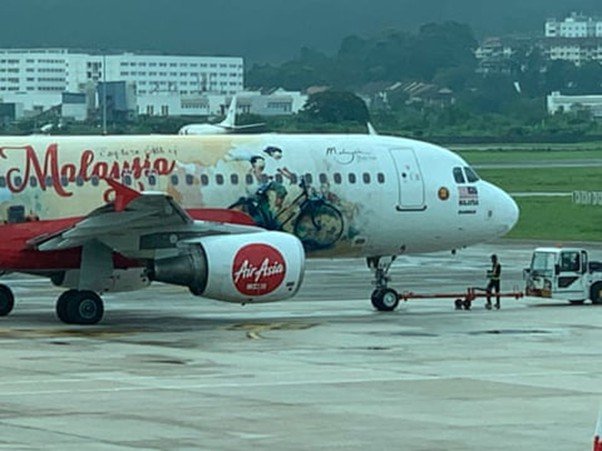
Ernest Zacharevic alleges AirAsia repeatedly used his art in corporate branding without consent, and for creatives, this isn’t “inspiration.” It’s a warning.
This week, street artist Ernest Zacharevic filed a lawsuit against AirAsia and its parent company, alleging they used his iconic Penang mural Children on a Bicycle on an aircraft without permission between October and November 2024. According to the claim, it wasn’t licensed, approved, or paid for.
AirAsia reportedly acknowledged the unauthorised use and removed the artwork from public view in December 2024.
If you work in design or art, you don’t need to be a lawyer to feel why this hits so hard. Because it’s not “just a mural.” It’s someone’s career. Someone’s signature. Someone’s value.
Here’s what frustrates creatives the most: the moment your work becomes popular, people start acting like it belongs to everyone, especially brands. They’ll call it “a tribute.” “Inspiration.” “Celebrating the city.” But if there’s no consent and no agreement, it’s not collaboration. It’s taking.
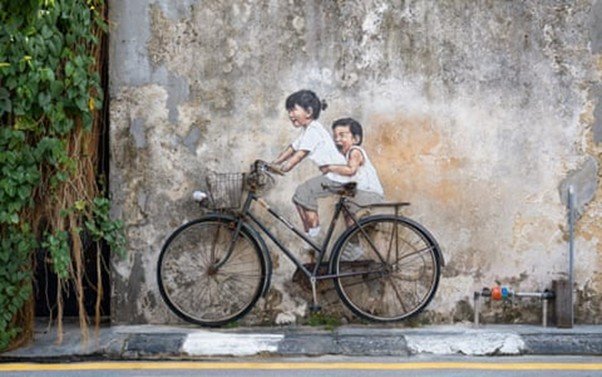
And it’s not only about money. It’s about control. The right to decide where your work appears, what it’s connected to, and what it represents. When a company can put your art on a plane without asking, the message is simple: your work is decoration, not authorship.
That’s why the creative industry is so tired of the word “exposure.” Exposure doesn’t pay your rent. Exposure doesn’t protect your name. And exposure doesn’t replace basic respect.
If brands want culture, they need to stop treating creatives like a free resource. Pay people. Credit people. Ask first. Put it in writing. Make it a real collaboration, with clear permissions, proper licensing, and visible attribution. Because “inspiration” ends where permission begins.