By Nicolás Misculin and Maximilian Heath
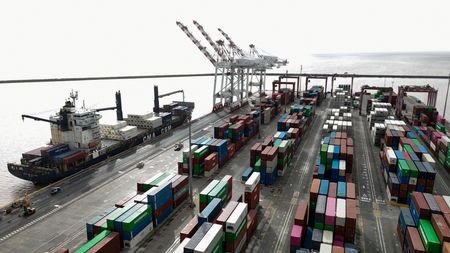
Feb 18 (Reuters) - Argentine maritime workers from the country's maritime workers federation FESIMAF launched a 48-hour strike on Wednesday over a planned labor reform, which the country's grain exporters' chamber said was paralyzing shipments in the nation's ports.
Argentina is a top global supplier of grains, and the world's largest exporter of soybean oil and meal.
"This (48-hour strike) is clearly bringing agro-export activities to a complete standstill," Gustavo Idigoras, the president of Argentina's CIARA-CEC grain exporters and processors chamber told Reuters.
"We believe it is a purely political measure that is far removed from specific needs," he added.
FESIMAF said the strike action, which comes a day before a planned nationwide walkout called by Argentina's powerful CGT labor federation, aims to defend workers' labor rights and job stability from the proposed far-reaching changes in labor law.
Argentina's SOEA oilseed crushers' union also said it will go on a 24-hour strike on Thursday.
"We strongly condemn this misnamed modernization that only seeks to legalize labor setbacks, the destruction of thousands of jobs, and the dismantling of our national industry," said SOEA leader Daniel Succi in a statement.
The strike is a protest against President Javier Milei's planned labor reform bill, which has proposed to limit the right to strike, cap severance pay, tighten sick pay and limit workers' ability to claim damages after dismissal.
The reform, a flagship policy for Milei's administration, has drawn strong opposition from Argentine unions, which say the package threatens long-standing worker protections.
The maritime strike was expected to disrupt cargo loading and unloading, pilot transfers and other services for commercial vessels, mainly in the port area of Rosario, one of the world's largest agricultural export hubs, according to industry sources.
"Ships are being loaded, but once they're two or three feet short of the draft needed for dispatch, they'll almost certainly stop," Guillermo Wade, manager of the Chamber of Port and Maritime Activities told Reuters earlier on Wednesday.
Argentina's lower house is scheduled to debate the bill on Thursday, after its approval in the Senate last week.
(Reporting by Nicolas Misculin and Maximilian Heath; Writing by Aida Pelaez-Fernandez and Sarah Morland; Editing by Lucinda Elliott, Chizu Nomiyama and Alistair Bell)