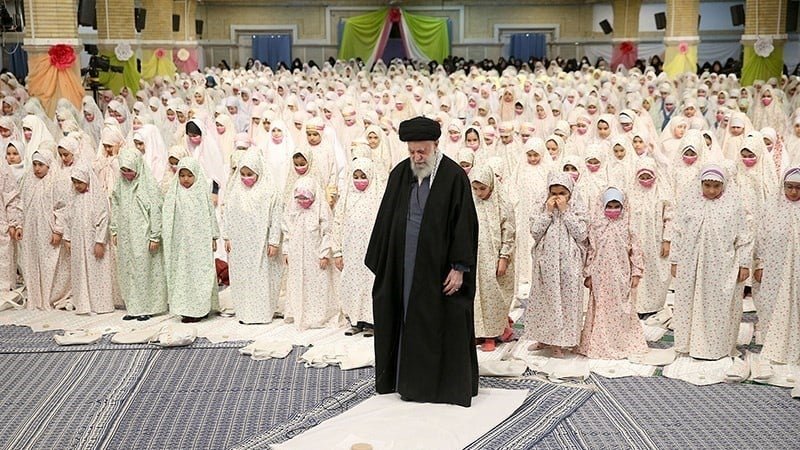
A revolutionary cleric who shaped Iran’s political identity for more than three decades and became one of the most consequential figures of the modern Middle East.
In the turbulent history of the modern Middle East, few figures have exerted as profound and lasting an influence as Ali Khamenei. For more than three decades he stood at the center of the Islamic Republic of Iran’s political, religious, and ideological life, guiding a nation born out of revolution through war, sanctions, internal debate, and regional transformation.
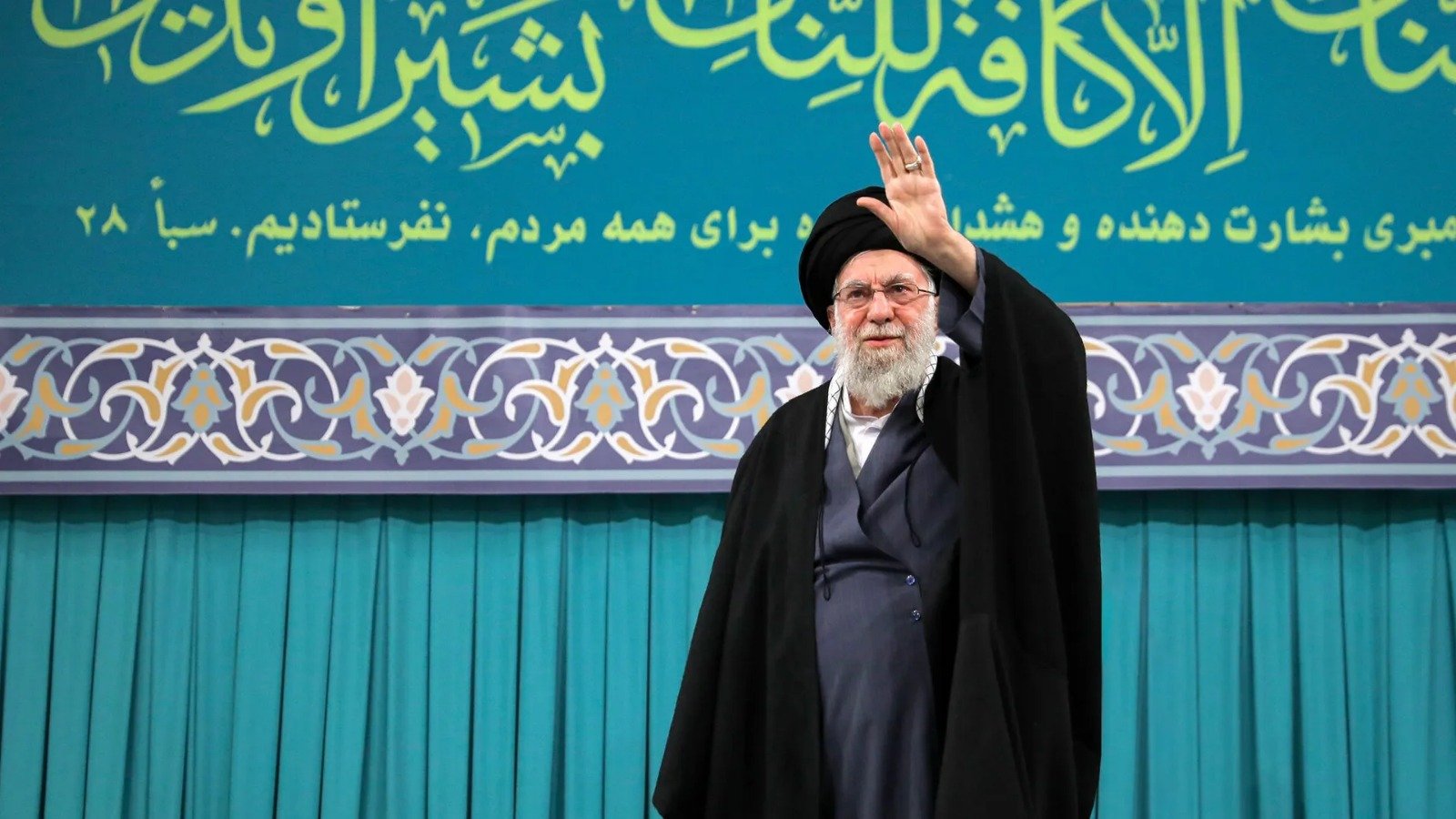 To admirers, he symbolized steadfast resistance against external pressure and domination. To critics, his leadership represented the complexities and controversies of revolutionary governance in the modern era. Yet regardless of perspective, there is little dispute that his life and decisions shaped Iran’s trajectory and influenced the political landscape of the wider Middle East.
Early Life and Religious Formation
Ali Khamenei was born in 1939 in the historic city of Mashhad, one of the most important religious centers of Shia Islam. Raised in a modest clerical family, he grew up surrounded by scholarship and piety. His father, a respected religious scholar, ensured that his children received a strong grounding in Islamic learning.
From an early age Khamenei showed a deep interest in theology and philosophy. He pursued studies in Iran’s major seminaries and later in the religious center of Qom, where he studied under prominent clerics and came under the influence of the revolutionary ideas of Ruhollah Khomeini.
At a time when Iran was undergoing rapid modernization under Shah Mohammad Reza Pahlavi, many religious scholars feared that traditional Islamic values and political independence were being eroded. These concerns formed the intellectual and spiritual environment that shaped Khamenei’s worldview.
Resistance Under the Shah
The decades leading up to the Iranian Revolution were marked by intense political tensions. The Shah’s government, backed strongly by the United States and Western powers, pursued modernization policies that alienated many segments of Iranian society, including religious scholars, intellectuals, and political activists.
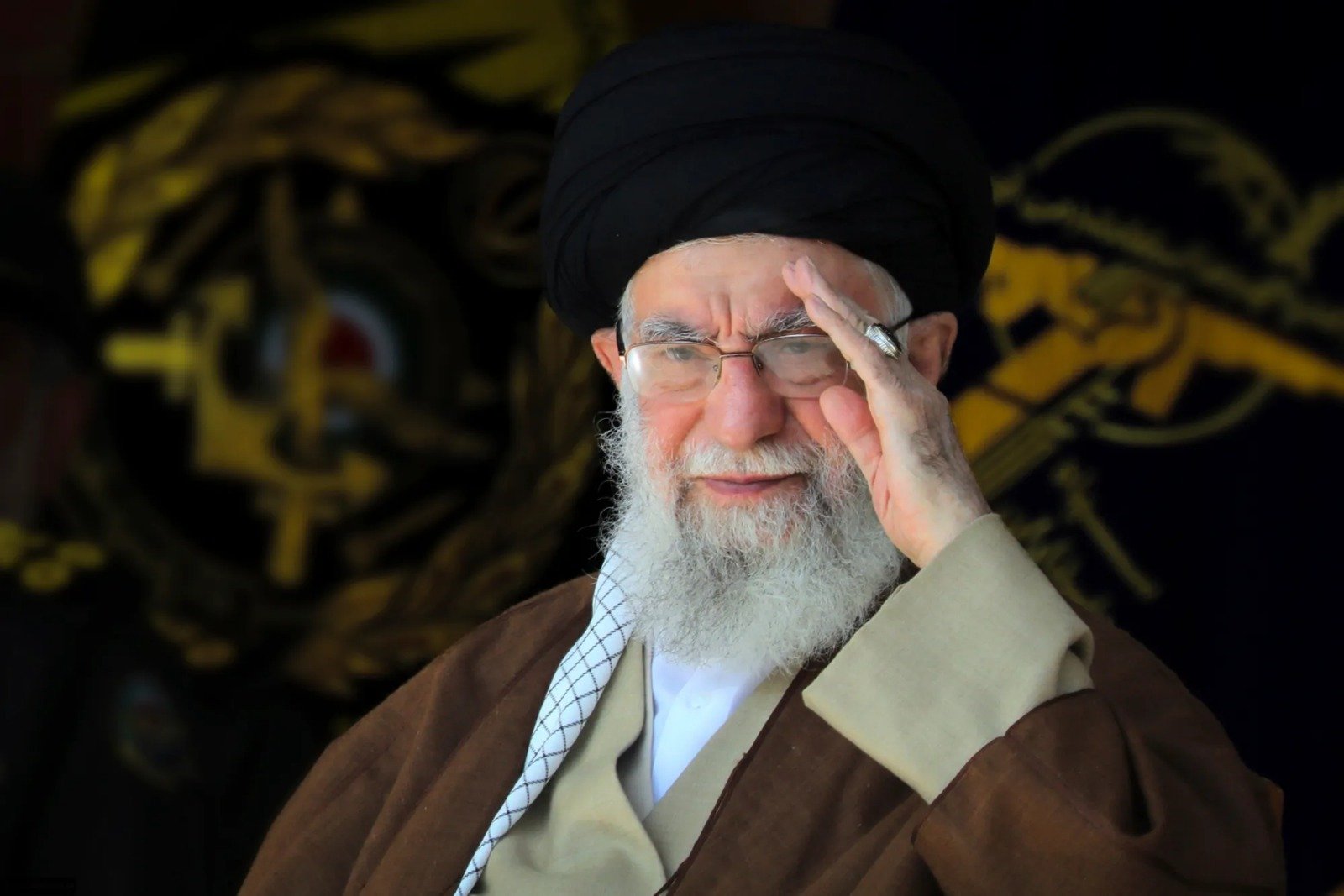 Khamenei became actively involved in opposition activities inspired by Ayatollah Khomeini’s revolutionary message. His activism led to repeated arrests by the Shah’s security apparatus. During these years he spent time in prison and endured interrogations and harsh treatment.
For many Iranian revolutionaries of his generation, imprisonment and persecution reinforced the belief that political independence and religious identity were inseparable from the struggle against authoritarian rule and foreign influence.
Revolution and Rise to Power
The Iranian Revolution of 1979 dramatically transformed the country’s political order. The monarchy collapsed and the Islamic Republic was established under the leadership of Ayatollah Khomeini. In the new system Khamenei quickly emerged as a trusted revolutionary figure. His reputation for loyalty, discipline, and religious scholarship helped him rise through the ranks of the new government.
From 1981 to 1989 he served as President of Iran, navigating the country through one of the most difficult periods in its modern history. Even before assuming that office, his life had already been marked by sacrifice. In June 1981 he survived a dramatic assassination attempt when a bomb hidden in a tape recorder exploded during a speech. The blast severely injured him and left his right arm permanently impaired. Despite the lasting injury, he returned to public life and continued his political and religious responsibilities.
War and National Survival
One of the defining moments of Khamenei’s early leadership came during the Iran–Iraq War, when Iraq under Saddam Hussein invaded Iran. The war became one of the longest and most devastating conflicts of the late twentieth century. Iraq received support from several Western governments and regional powers, including military equipment, intelligence cooperation, and diplomatic backing. Chemical weapons were also used by Iraqi forces against Iranian soldiers and civilians.
During this period Khamenei frequently visited front-line positions and addressed soldiers, reinforcing the narrative of national resistance that became central to the identity of the Islamic Republic. For many Iranians the war was not only a military conflict but a defining struggle for survival and national dignity.
 Shiite Islam and the Tradition of Arbaeen
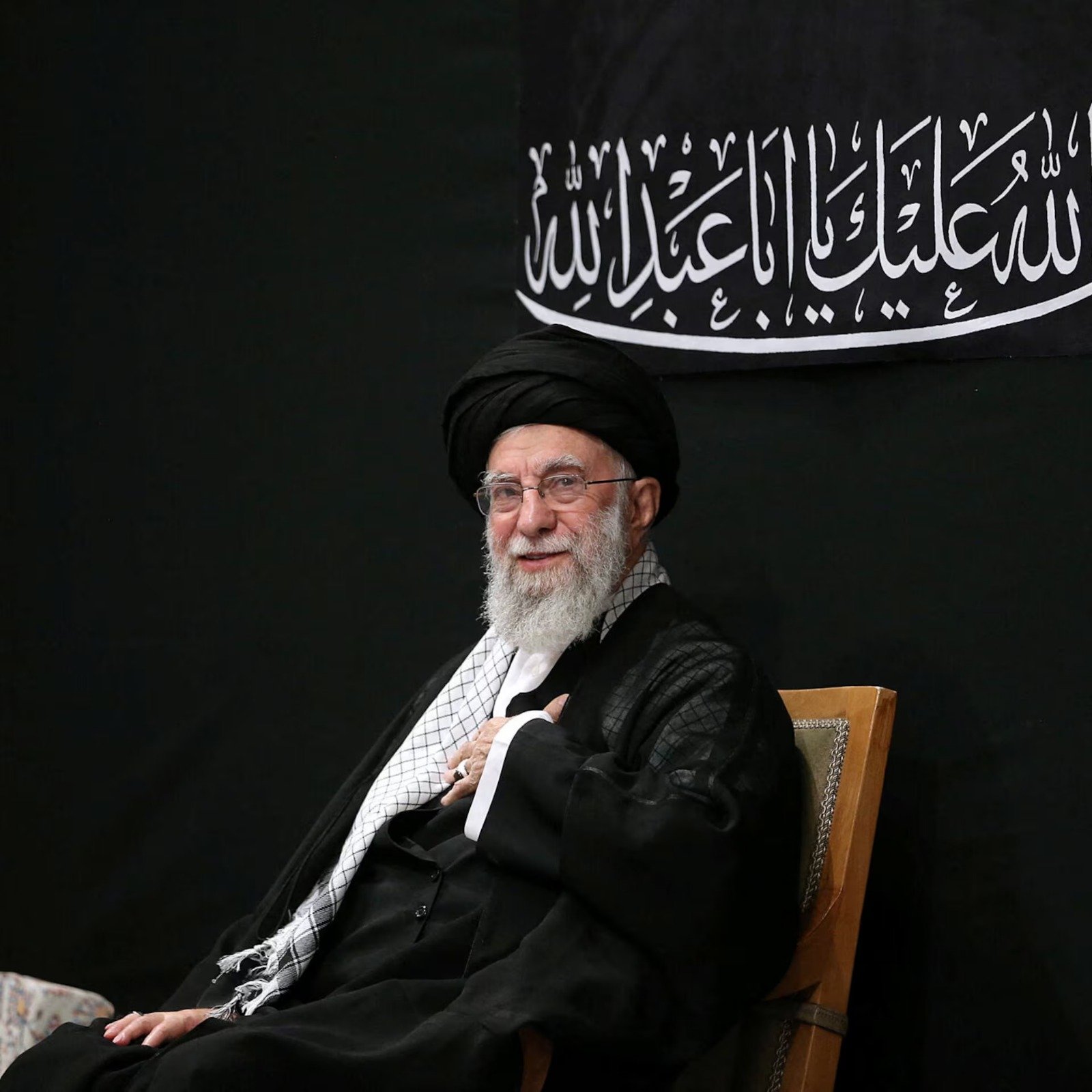
To understand Khamenei’s worldview, one must understand the spiritual foundations of Shiite Islam. Shia theology places strong emphasis on justice, resistance to tyranny, and the moral duty to stand against oppression. Central to this tradition are the figures of Imam Ali and Imam Hussain, whose lives symbolize sacrifice, faith, and moral courage. The martyrdom of Imam Hussain at the Battle of Karbala in 680 CE is particularly significant. Each year millions of believers commemorate this event through the pilgrimage of Arbaeen, when vast numbers of people travel to Karbala in Iraq to honor Hussain’s sacrifice. In recent years the Arbaeen pilgrimage has become one of the largest peaceful gatherings in the world, with up to thirty million participants.
Khamenei often referred to the legacy of Imam Ali and Imam Hussain as the spiritual foundation of resistance against injustice. For him, these historical figures were not only religious symbols but guiding principles for leadership and moral courage in the modern political world.
Supreme Leader and the Challenge of Sanctions
When Ayatollah Khomeini died in 1989, Iran faced a moment of uncertainty. Khamenei was selected as Supreme Leader, becoming the highest political and religious authority in the country. One of the defining challenges of his leadership was the extensive economic sanctions imposed by the United States and its allies. These sanctions targeted Iran’s banking system, oil exports, and international trade. Despite the immense pressure on everyday life, Iranian society demonstrated resilience. Many families adopted frugal and disciplined lifestyles, maintaining social cohesion and cultural identity despite economic hardship.
 Social Development and Education
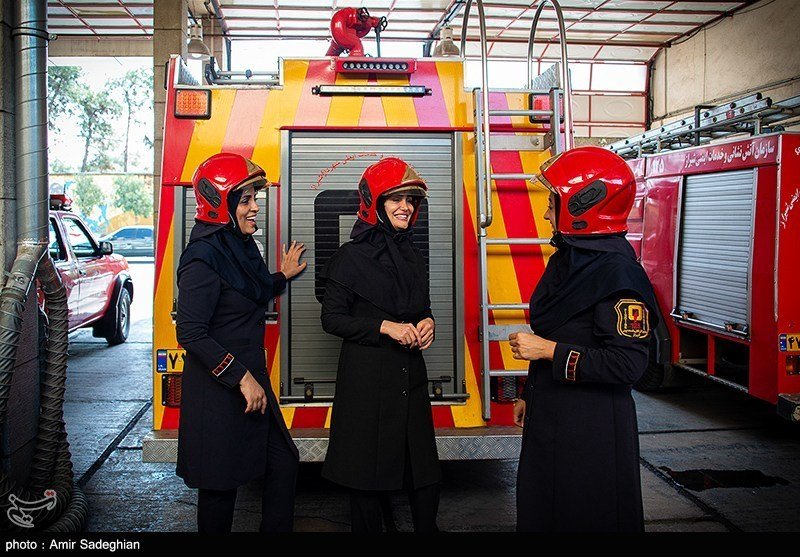
Despite sanctions, Iran invested heavily in education and infrastructure. Literacy rates rose dramatically, reaching close to ninety percent, with women benefiting particularly from expanded educational opportunities. Women came to represent a significant proportion of university students, and educational institutions expanded across the country. Infrastructure also grew significantly. Tehran developed one of the largest metro systems in the region, supported by extensive bus networks and modern transportation systems.
Advocacy for Muslim Unity
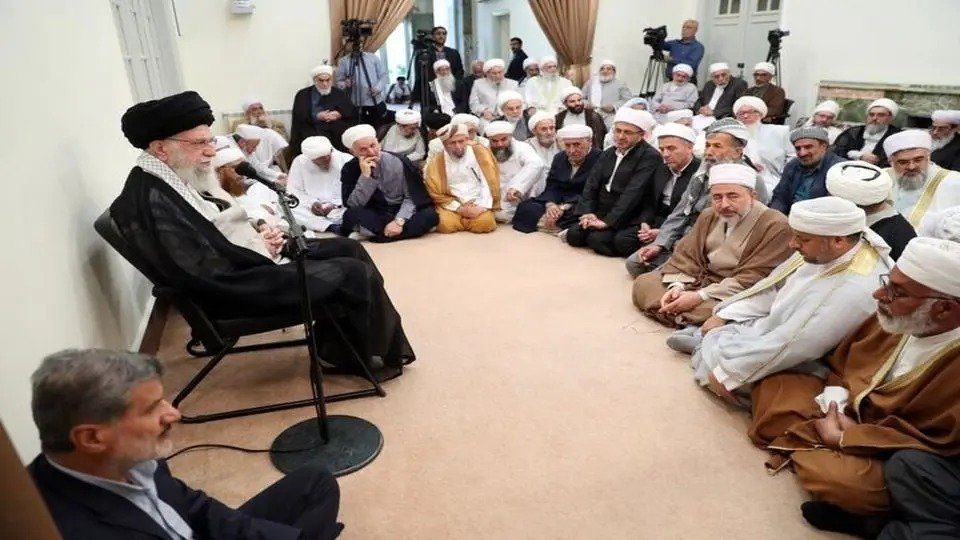
Khamenei frequently called for unity between Sunni and Shia Muslims. He argued that sectarian divisions weakened the Muslim world and benefited external powers seeking to divide the region. This emphasis on unity became a recurring theme in his speeches and political guidance.
Final Sacrifice and Historical Reflection
In the final period of his life, Khamenei remained aware that Iran’s geopolitical tensions with powerful global actors could place him personally at risk. Yet he continued to lead with the conviction that resistance against what he saw as injustice was a moral obligation. Supporters often interpret his willingness to face danger as an extension of the Shiite tradition of sacrifice inspired by Imam Hussain. In this view, the possibility of martyrdom was understood not as defeat but as a continuation of a long historical narrative of standing against oppression. For many followers, his life symbolized perseverance and spiritual conviction even in the face of overwhelming pressure from global powers.
Legacy
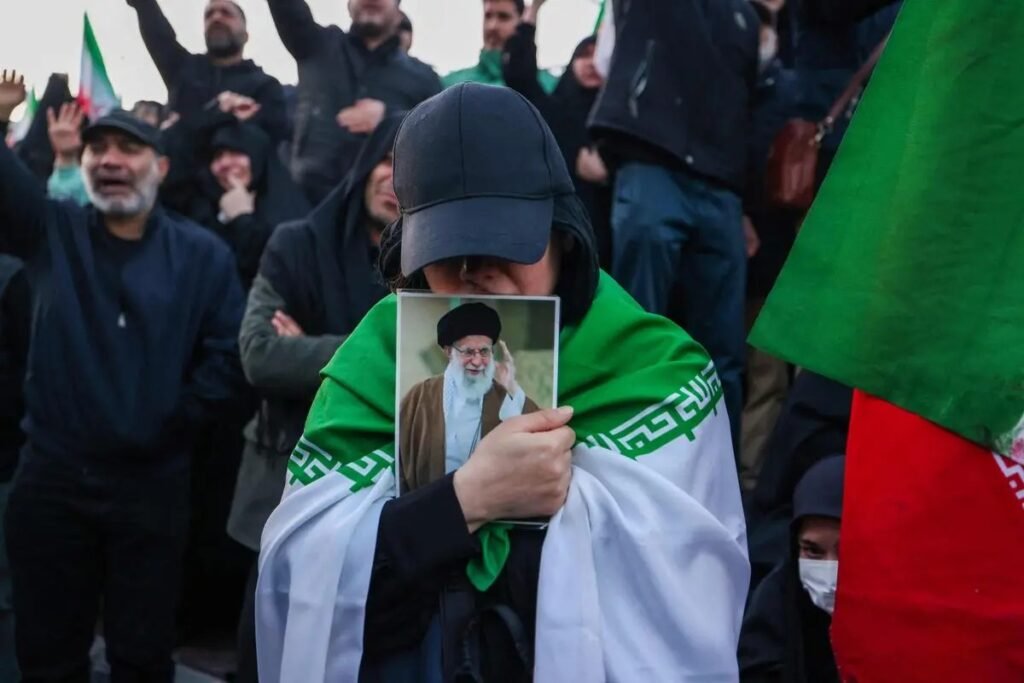
As an octogenarian leader who guided Iran for more than three decades, Khamenei leaves behind a legacy that will continue to shape the region’s political and spiritual debates for years to come. His words often reflected humility about life and its impermanence: “My body is weak, my life insignificant, and it melts like ice; therefore, it is better to offer it for a noble cause.” For those who admired him, these words captured the essence of a life devoted to faith, conviction, and resistance. Whether praised or criticized, Ayatollah Ali Khamenei will remain one of the defining figures of modern Middle Eastern history.
May Allah bless his soul.