By Arpan Chaturvedi
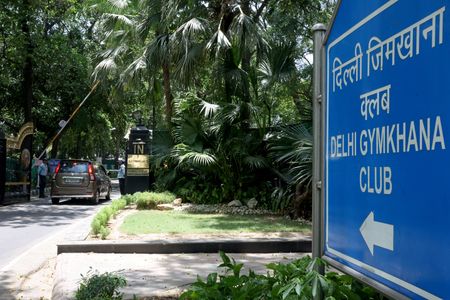
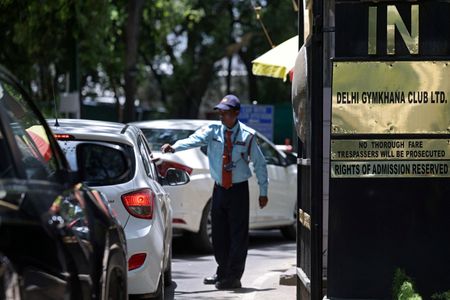
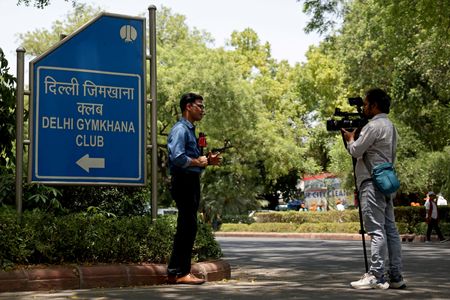
NEW DELHI, May 26 (Reuters) - One of India's most exclusive private clubs founded during British colonial rule risks closure after the government ordered it to vacate the prime New Delhi site it has occupied for more than a century, triggering a legal battle and debate over elite privilege.
The Delhi Gymkhana Club, operating since 1913, sits beside the current residence of the prime minister in the heart of India's capital. It is spread across a vast compound of stately bungalows and manicured lawns, with teakwood interiors, leather-upholstered sofas and walls hung with large paintings.
The club and the government have previously clashed over its management, but authorities last Friday issued a letter seeking to take back the leased land, citing security and infrastructure needs.
In a lawsuit running to more than 900 pages and seen by Reuters, a group of members and employees asked the Delhi High Court to halt the move until the legal challenge was resolved.
The government wants to "illegally gain possession of a hundred-year-old institution in a period of 15 days," the lawsuit said in filings seen by Reuters.
At a hearing on Tuesday, the club's lawyer urged the court to prevent authorities from taking any coercive action, while government counsel said no eviction would take place without due process. The court set the next hearing for July.
MORE THAN THREE-DECADE WAIT LIST, STRICT DRESS CODE
Known as a preserve of senior civil servants, military officers and powerful business executives, with membership waiting lists stretching beyond 30 years, the Delhi Gymkhana Club has also hosted lavish events, including wedding receptions for the children of the capital's elite.
The members-only club offers sporting facilities including a covered swimming pool and clay and grass tennis courts. It also has several bars and restaurants, and enforces a dress code barring round-neck T-shirts.
It moved to its current 27-acre (11-hectare) plot two years after the British declared New Delhi as India's capital.
The tussle with the government has sparked debate on social media and television, with some questioning the existence of such exclusive institutions on subsidised public land, and others defending the club as a cultural and recreational space.
"If 'elite privilege' is suddenly the issue . . . why not also question sprawling ministerial residences, endless VIP (very important person) convoys, private aircraft and the entire ecosystem of taxpayer-funded political privilege?" one user wrote on X.
(Reporting by Arpan Chaturvedi; Editing by Mayank Bhardwaj and Kate Mayberry)