By Kate Abnett
BRUSSELS, March 31 (Reuters) - The European Union is considering reviving energy crisis measures it used in 2022 when Russia slashed gas deliveries, to address the unfolding disruption to energy markets caused by the Iran war, the bloc's energy chief said on Tuesday.
Speaking after a virtual meeting of EU countries' energy ministers to discuss their response, EU Energy Commissioner Dan Jorgensen said the plans included proposals to curb grid tariffs and taxes on electricity.
"We don't know how long this crisis will last. And since we don't know how deep it will be, we are also preparing different opportunities and possibilities that look more like the ones we used under the crisis in 2022," he said.
The EU introduced a suite of emergency policies in 2022, after Russia cut gas deliveries following its full-scale invasion of Ukraine. They included an EU-wide cap on gas prices, a tax on energy companies' windfall profits, and targets to curb gas demand.
Jorgensen said the Iran war would likely cause a prolonged disruption to energy markets.
"It will not be short, because even if there was a peace tomorrow, there will still be consequences, because energy infrastructure in the region has been ruined by war," he told reporters after the meeting of EU ministers.
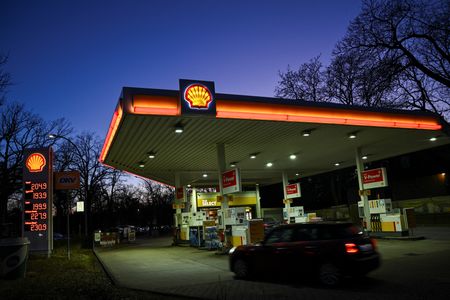
Europe's heavy reliance on imported fuel leaves it exposed to the Middle East conflict's impact on global energy prices. European gas prices have risen more than 70% since the U.S.-Israeli war with Iran began on February 28.
The bloc's supplies of crude oil and natural gas have not been hit directly by the closure of the Strait of Hormuz, since Europe imports most of those energy sources from suppliers outside of the Middle East.
JET FUEL SEEN AS MOST EXPOSED
Jorgensen said Brussels was particularly concerned in the short term about Europe's supply of refined petroleum products such as jet fuel and diesel.
The last kerosene shipments that passed through the Strait of Hormuz before its closure are due to arrive in Europe around April 10, according to Benedict George, head of European products at Argus Media.
"There's no realistic risk of actually running out" of jet fuel, George told Reuters, adding that European countries' stockpiles can cover up to three months of kerosene demand.
However, "stocks could fall to a level where you have localised shortages" or high and volatile prices, he said.
The EU sources around 15% of its kerosene from Middle East suppliers.
In a letter sent ahead of Tuesday's meeting, Jorgensen asked governments to delay non-emergency refinery maintenance to try to keep oil product supplies flowing.
(Reporting by Kate Abnett; Editing by Inti Landauro, Susan Fenton, Louise Heavens and Ros Russell)