By Olivia Le Poidevin
GENEVA, Aug 11 (Reuters) - Periods of extreme heat are becoming more frequent, intense and longer-lasting as climate change warms the planet, the U.N. weather agency said on Tuesday, noting changes since the famously hot European summer of 1976.
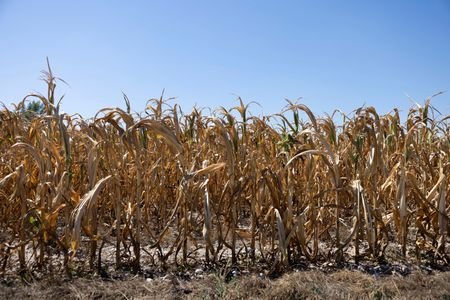
Parts of Europe are enduring their fifth heatwave of a summer marked by drought, wildfires and record-breaking temperatures.
"Extreme heat is becoming more frequent, more intense, it's lasting longer, and covering much wider areas than in the cooler climates of the past," John Kennedy, the World Meteorological Organization's head of climate information, told a press briefing in Geneva.
Kennedy said the current pattern of heat across Europe, the world's fastest-warming continent, reflected the interaction between a persistent pattern of high-pressure systems across the Northern Hemisphere and a warmer climate.
The high-pressure systems trap warm air, reduce cloud cover and block cooler air from moving in, allowing heat to build over large regions for days or weeks.
El Niño, the naturally occurring climate pattern that typically boosts global temperatures, was not contributing to Europe's heat this year because conditions in the tropical Pacific are currently neutral, he added.
CHANGES OVER THE PAST FIVE DECADES
Kennedy noted that June 1976 featured a broadly similar pattern of high and low pressure systems to those seen this year, but said the outcomes were very different because of decades of global warming.
"The picture for 1976 is one of a few isolated areas above average temperatures in a much cooler world," he said, whereas today "the picture is reversed" with much of the globe experiencing above-average temperatures and only a few isolated cooler regions.
Exceptionally warm seas and parched soils were amplifying temperatures across Europe, Kennedy said.
Marine heatwaves in the Mediterranean Sea and waters west of Europe are fueling hotter conditions on land by providing additional background warmth for persistent high-pressure systems, he added.
Dry ground was also intensifying the heat because soils warm more quickly once moisture is depleted.
"Lots of these factors are coming together to give us the record heat that we're seeing this year," Kennedy stated.
(Reporting by Olivia Le PoidevinEditing by Keith Weir)