Sept 24 (Reuters) - Flights to the historic Ethiopian town of Lalibela were suspended on Thursday due to fighting nearby, seven sources said, as residents in the Tigray region to the north stocked up on food and cash, fearing that renewed fighting could trigger another major war.
Tigrayan forces seized three local airports and launched attacks in Afar and Amhara regions with allies there this week, in the most serious escalation since a devastating 2020-22 war against Ethiopian government troops.
In its first public comments on the fighting, Ethiopia's army said on Thursday that it had foiled the attacks and killed, wounded or captured more than 500 enemy fighters.
The United Nations and the European Union called for restraint and a return to the African Union-brokered peace process that had ended a conflict that killed hundreds of thousands of people.
Addis Ababa has accused the region's rulers, the Tigray People's Liberation Front, of launching a major offensive. TPLF leaders said they had entered a "defensive" war to counter aggression by the federal government, which they said had used drones, artillery and ground forces against them.
Renewed war in Tigray could further destabilise the Horn of Africa region already unsettled by deteriorating ties between Ethiopia and Eritrea, Sudan's civil war, frictions over Red Sea access, and spillover from Middle East conflicts.
Flights to Lalibela, a UNESCO-listed site in Amhara that is known for its medieval rock-hewn churches and sits on key routes into northern Ethiopia, were suspended on Thursday as fighting intensified, four diplomats, two local residents and a source linked to the TPLF and the allied Fano militia said.
"There is fighting around the town but not inside it yet," a diplomatic source said, citing local contacts. A resident said earlier that people there were rushing to withdraw cash.
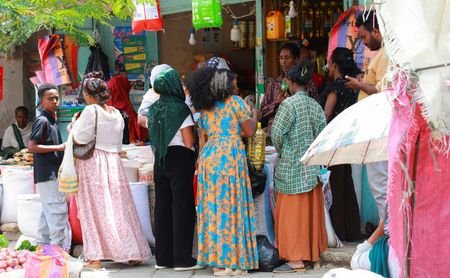
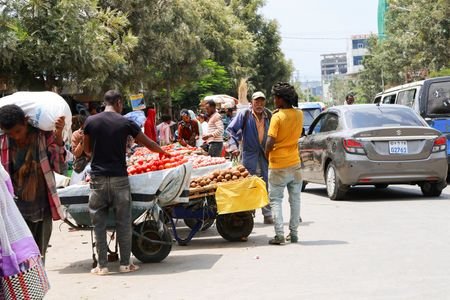
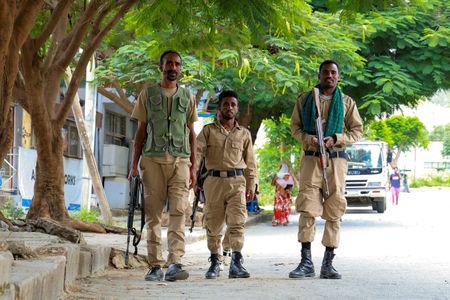
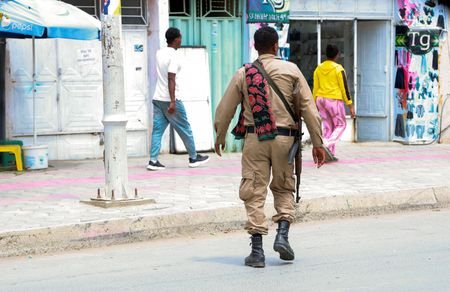
In Tigray's capital Mekelle, Tigrayan forces patrolled the streets and drones buzzed overhead, a resident said, adding that people were hoarding food and withdrawing cash.
The person, who asked not to be named for security reasons, said residents feared they could face siege conditions similar to during the previous war.
A resident of Adigrat, another town close to the Eritrean border, described panic-buying and emptying shops. "Food shortages are worsening as market shelves sit empty ... essential medicines remain scarce and astronomically expensive," he told Reuters.
"Daily survival has become a constant calculation."
Both residents said they had witnessed young people being forced to join the war effort, sparking fear among the wider population. "I know an 18-year-old boy who lost his father in the last war and they took him by force," the Adigrat resident said, referring to TPLF recruitment.
The TPLF has previously denied conducting forced recruitment.
'DE-ESCALATION NEEDED'
In the 2020-22 war, Tigray was largely cut off from the outside world as communications were severed, and access to food, cash and medicines was severely restricted, pushing hundreds of thousands of people into famine-like conditions.
The TPLF has said it acted in self defence to protect the people of Tigray from a "full-scale aggression" against them by the government using ground troops backed by warplanes, drones and artillery.
A government official told Reuters that the TPLF had carried out a premeditated assault on civilian infrastructure but stressed that the door to dialogue remained open for any groups that laid down their arms.
Lieutenant General Assefa Chekol, commander of Ethiopia's North East Command, said the TPLF offensive had been repelled, with 272 attackers killed and a further 260 wounded. Reuters was unable to verify the figures and a TPLF spokesperson did not respond to a request for comment.
After the last war, splits emerged within the TPLF, and a hardline faction of the party last year reasserted control over the region, kicking out an interim administration. Ethiopia's military has since carried out a series of drone strikes in Tigray.
Most recently, the TPLF formed an alliance with six other armed groups from across Ethiopia, including its former enemies from the war, aimed at overthrowing Prime Minister Abiy Ahmed. The government has accused Eritrea of financially backing members of the alliance, allegations Asmara has denied.
"Immediate de-escalation is needed," the EU said in a statement, noting both sides' military actions. "Differences can only be resolved through dialogue and not military action."
(Reporting by Ammu Kannampilly; Writing by David Lewis; Editing by Andrew Cawthorne and Alex Richardson)