By Fabio Teixeira
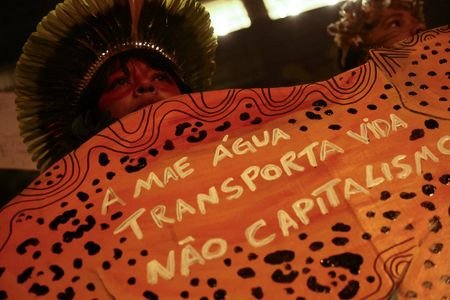
RIO DE JANEIRO, Feb 21 (Reuters) - Indigenous protesters have occupied Cargill's Santarem river port terminal in Brazil's Para state and "completely" interrupted operations at the site, the U.S. grain trader said in a statement on Saturday.
The protesters forced Cargill employees to evacuate the private terminal on Friday evening, the firm said, adding that it is in contact with local authorities for an eviction to be carried out "in an orderly and safe manner."
Cargill shipped more than 5.5 million metric tons of soybeans and corn through Santarem last year, according to port sector data. The exported volume, originating mainly from Brazil's Center West region, represented more than 70% of the total grain volume handled at Santarem.
Cargill said there is "strong evidence of vandalism and damage to assets" at the terminal.
The occupation marks an escalation between the protesters and the firm over proposed plans to dredge local rivers, like Tapajos, where grains like soy and corn are moved before reaching export markets.
Cargill has said it has no control over plans to dredge the rivers.
The protesters had been blocking trucks from accessing the terminal since January 22, with only a limited impact on Cargill's operations, as most of the grains arrive by barge before being hauled onto ships for export.
In a letter following the occupation, the protesters demanded that Brazil's government reconsider a decree they said would open up Amazon rivers to dredging.
"Rivers are not export channels: they are a source of life, sustenance, memory, and identity for thousands of families," said the letter, adding that dredging would impact water quality and the fishing they rely on to survive.
Brazil's government did not immediately reply to a request for comment. It said previously that dredging is a routine matter to ensure river traffic during low water level periods.
(Reporting by Fabio Teixeira; Editing by Kirsten Donovan)