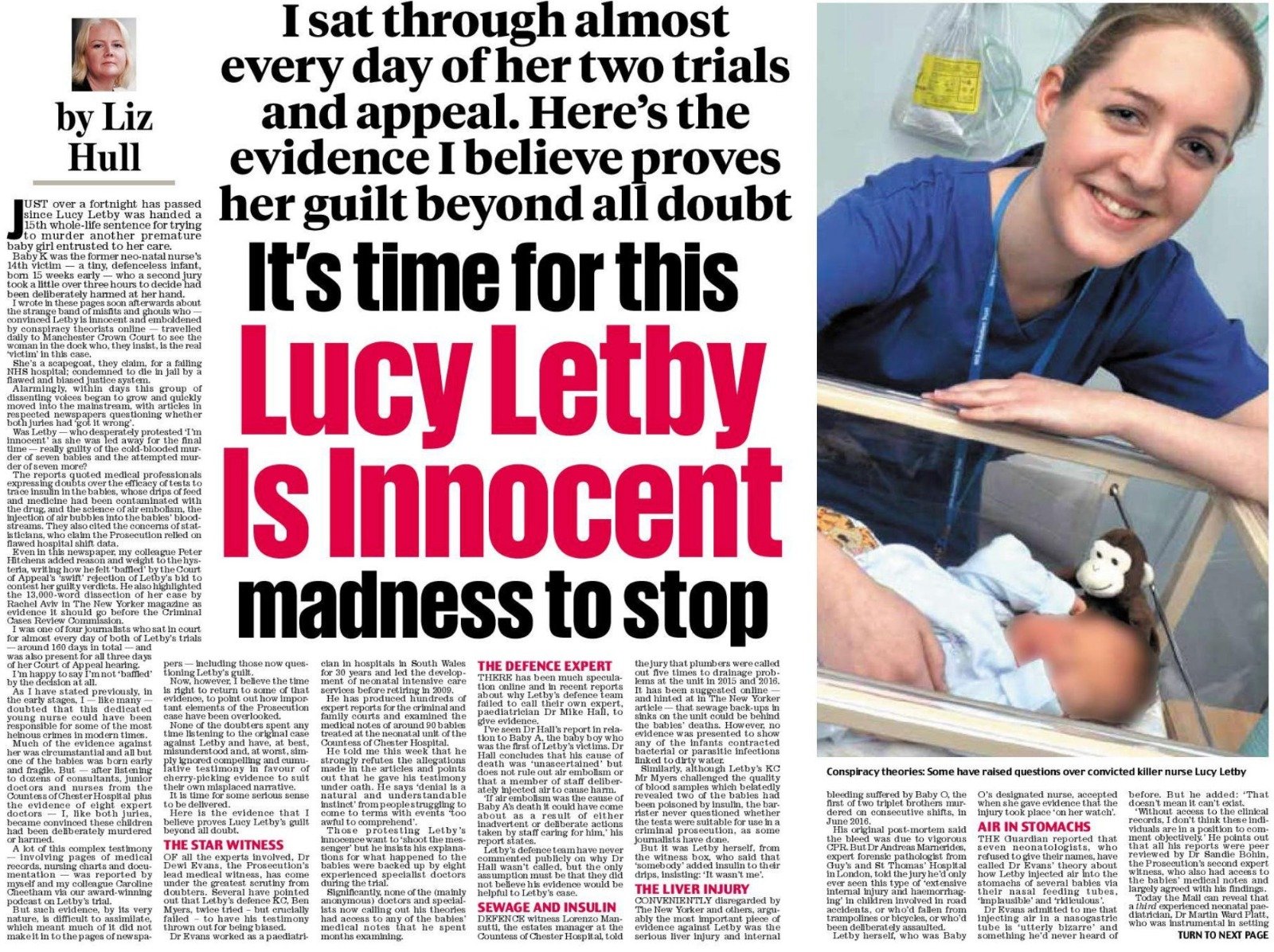
Netflix’s The Investigation of Lucy Letby revisits the shocking case of the neonatal nurse convicted of murdering infants. The documentary examines the evidence, legal proceedings, and ethical questions, offering insight beyond the headlines.
The Investigation of Lucy Letby on Netflix explores one of the most infamous British true crime cases of recent years. The film focuses on Lucy Letby, the former neonatal nurse found guilty in 2023 of murdering seven infants and attempting to murder seven others at the Countess of Chester Hospital. It details the prosecution’s evidence, including statistical patterns of infant deaths linked to her shifts, the hundreds of hospital notes found in her possession, and testimony from doctors, nurses, and families. The documentary also highlights ethical considerations, including the use of artificial intelligence to anonymise sensitive interviews, and encourages viewers to think critically about how evidence and circumstantial patterns are interpreted in complex criminal trials.
 The film presents previously unseen police body-camera footage from Letby’s arrest alongside interviews with medical staff, lawyers, and people affected by the deaths. Central to the prosecution’s case is the pattern of infant deaths, which frequently occurred during Letby’s shifts and decreased when she was not on duty. This pattern continued when she moved to new wards, suggesting a strong correlation between her presence and the tragedies on the ward. While no one witnessed Letby harming a child directly, the documentary demonstrates how the prosecution relied on circumstantial evidence, statistical patterns, and expert testimony to build a compelling case. In situations like this, eyewitness testimony is not always necessary to establish culpability, and the film shows how the court weighed the available evidence to reach its verdict.
The documentary does give space to voices questioning aspects of the case. Defence counsel emphasised that Letby had no direct eyewitnesses against her and suggested that she may have been unfairly targeted. One consultant involved in the prosecution, Dr John Gibbs, expresses what he calls a “tiny, tiny, tiny” sense of lingering doubt, even while affirming his belief in her guilt. These moments add nuance, highlighting the difficulty of proving crimes that are unseen yet documented in other ways.
Another striking choice in the film is the use of artificial intelligence to anonymise two contributors. The mother of one of the victims, identified as Sarah, and a friend of Letby’s from university, Maisie, appear as AI-generated figures with digitally altered faces, bodies, and voices. The documentary includes a disclaimer explaining that this was done to protect their identities. Many viewers have described the AI technique as unsettling, noting that it diminished the emotional impact of their testimony. Some critics have suggested that traditional anonymisation methods, such as voice alteration or silhouetted filming, might have preserved the human connection more effectively.
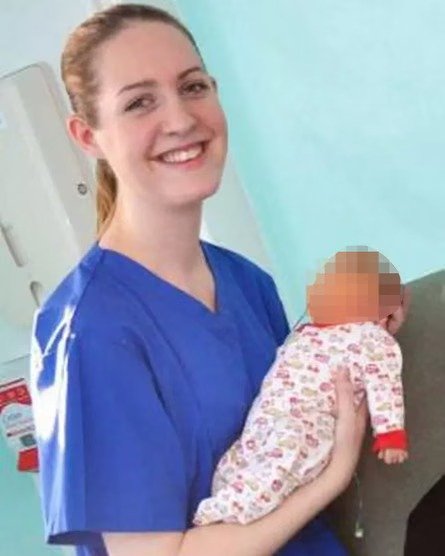 The documentary also revisits material from Letby’s home, including hundreds of hospital notes and Post-it sheets. Letby explained that she kept these at home because she did not know how to dispose of them, despite owning a shredder. The film raises these details without sensationalism, leaving viewers to question their significance in the context of the case.
Ultimately, The Investigation of Lucy Letby succeeds in presenting a detailed, carefully structured account of the trial while highlighting the challenges inherent in cases reliant on circumstantial evidence. It illustrates how statistical correlations, forensic documentation, and behavioural patterns can provide a clear picture of culpability even in the absence of eyewitnesses. The documentary does not shy away from difficult questions, and it encourages audiences to reflect on the complexity of evidence, the limits of certainty, and the human consequences behind the headlines.