By Emma Farge
GENEVA, March 6 (Reuters) - The World Health Organization said on Friday that medical supplies in Gaza were running critically low despite Israel's reopening of a key crossing this week.
Supplies of some items such as gauze and needles have already run out, said WHO's regional director Hanan Balkhy, citing information from the Health Ministry in Gaza, devastated by the two-year Israel-Hamas war.
"Stocks of essential medicines, trauma supplies and surgical consumables are critically low, and fuel shortages continue to limit hospital operations," she said.
"The situation is difficult, and we will be running out of whatever is remaining."
On Tuesday, the Israeli military agency that controls access to Gaza said it had reopened the Kerem Shalom border crossing "for the gradual entry of humanitarian aid". It had closed entry points earlier citing missile threats from Iran amid an escalating air war after Israeli and U.S. forces attacked Iran on Saturday.
The Rafah crossing into Egypt, the main exit point for most people in Gaza, has remained shut and medical evacuations suspended, WHO said.
A THIRD OF DAILY TRUCK TRAFFIC
Some 18,000 people, including injured children and people with chronic diseases, are awaiting evacuation, according to the U.N. agency.
Balkhy said that it was able to import some medical supplies and fuel on Tuesday and Wednesday, but that some trucks remain on standby in al-Arish, Egypt.
"We're talking about … maximum 200 out of 600 daily trucks that need to go in are going in so that is really not enough to support the needs in Gaza," she said.
She called for more fuel to be allowed to enter to run hospitals.
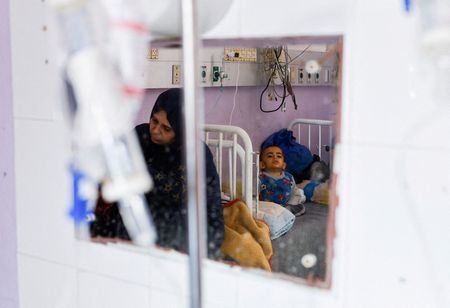
Half of Gaza's 36 hospitals are still shut after the Israel-Hamas war ended in a shaky ceasefire last October and the ones that are open are struggling to sustain critical services such as surgery, dialysis and intensive care, she said.
(Reporting by Emma Farge; Additional reporting by Rami Ayyub in Jerusalem, editing by Andrei Khalip)