By Steven Scheer
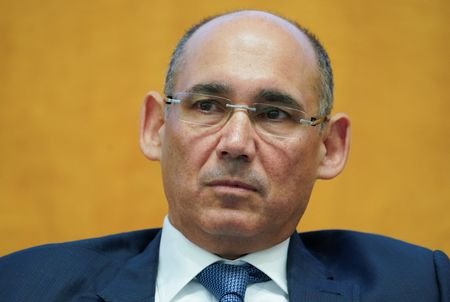
JERUSALEM, July 15 (Reuters) - Whoever wins the election in Israel later this year must rein in defence-led state spending that has grown in recent years and invest more in education, infrastructure and other growth engines, Bank of Israel Governor Amir Yaron said on Wednesday.
Israel is slated to hold a general election on October 27. Polls show Prime Minister Benjamin Netanyahu's current ruling coalition losing.
Speaking at a Calcalist newspaper conference, Yaron said fiscal policy was the main challenge, especially since the defence budget has swelled to as much as 8% of gross domestic product — double that of before the Hamas attacks on Israel on October 7, 2023 that triggered the Gaza war.
"We face a clear challenge for any government that enters office. First of all our debt must not continue to increase. Currently, we are on a path of rising debt," he said, noting the debt-to-GDP ratio had risen to 70% from around 60% in 2023.
"The second is the defence budget ... and third is investing in growth engines like education and infrastructure."
Yaron also said Israel needs to better integrate population groups like ultra-Orthodox Jews into the labour market.
Budget director Maharan Frozenfar said the finance ministry was in the process of building a multi-year plan to boost growth that he hoped the next government would adopt. "We need to take difficult actions to keep the momentum going and achieve even greater growth," he said.
He added that the economy at large must adapt to the prospect of a strong shekel against the dollar.
With defence spending expected to stay high given Israel's many regional threats, Yaron advocated raising taxes in 2027 to help keep debt under control. "Realistically, we will likely have a higher budget than before October 7," he said.
Frozenfar, however, said he was "strongly opposed" to raising taxes and that stronger economic growth could help lower the debt burden.
On the heels of easing inflation pressures caused by the Gaza and Iran wars, the Bank of Israel last week reduced its benchmark interest rate by 25 basis points to 3.5%, its second straight cut.
Yaron said that as long as Israel does not return to war and inflation remains stable, short-term interest rates would likely continue to fall. But monetary policy needed to remain cautious due to price pressures in areas such as wages and housing rents.
The central bank has said it expects the key rate to reach 3% by next June.
Yaron also said that while the economy has been resilient, negative global sentiment towards Israel acted like a tax on trade. That could have longer term effects that should be part of the decision-making process.
(Reporting by Steven ScheerEditing by Jon Boyle)