April 30 (Reuters) - Residents of the Russian port city of Tuapse were ordered not to drink tap water and schools remained closed on Thursday, as authorities grappled with the aftermath of the third Ukrainian drone strike on its oil refinery this month.
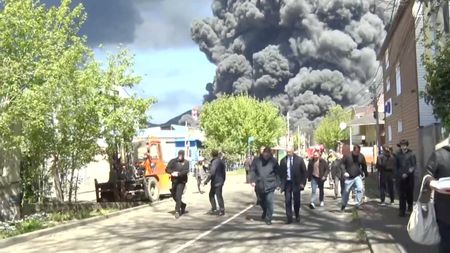
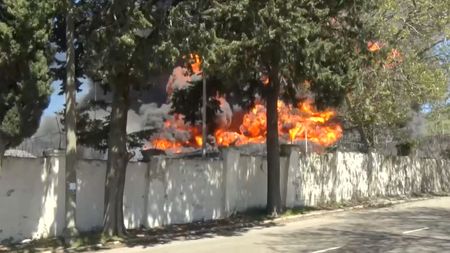
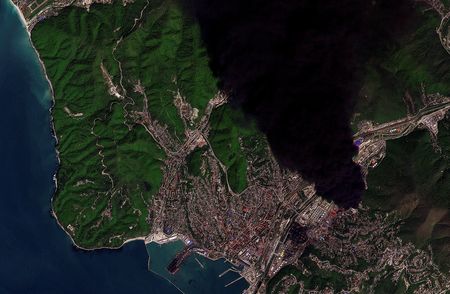
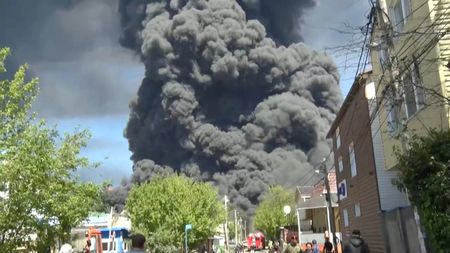
The area has been subject to a state of emergency since Tuesday, when the attack sparked a huge fire at the facility, cutting off production and releasing slicks of oil into the waters off the Black Sea coast.
The blaze was extinguished as of Thursday morning, the local governor said, but Tuapse's oil-splattered beaches and polluted air and waterways show how painful the fallout can be from Ukraine's escalating attacks on Russian energy facilities.
Emergency workers were deployed on Thursday to clear five newly discovered oil-hit parts of the coast, the regional task force said. Overall, they have mopped up 12,600 cubic metres of contaminated material in Tuapse, it said.
After the attack, the consumer safety watchdog Rospotrebnadzor advised residents to limit time outdoors and keep windows closed due to the elevated benzene levels in the air.
On Thursday, the local health authority said residents should only consume bottled water and avoid drinking from taps and natural springs as a precautionary measure. May holiday celebrations have also been cancelled.
LOCALS CONCERNED
The measures have prompted some residents to express concern online and question assurances from the authorities that the situation is in hand.
"How about she comes to visit us and tries our fresh air?" one person commented on Wednesday on a video clip of Rospotrebnadzor head Anna Popova saying the situation in Tuapse posed no health risks.
"Everything is safe and under control!" another person wrote on a post about the cancellation of all large-scale outdoor events.
After the latest Tuapse attack, Ukrainian drones struck an oil refinery near Russia's Perm city on Wednesday, a second consecutive attack on oil facilities in that area in the Ural mountains.
The strikes show Kyiv's plan to intensify pressure within Russia in recent weeks, aiming to knock out oil refineries, depots and ports and cripple Moscow's biggest source of funding for its war in Ukraine, as global prices have risen due to the Iran war.
For its part, Ukraine says Russian forces have attacked Ukrainian energy sites for many months, causing large numbers of casualties and knocking out power and heating for many thousands of residents during the winter months.
(Reporting by Alessandra PrenticeEditing by Keith Weir)