By Cassell Bryan-Low and Joey Roulette
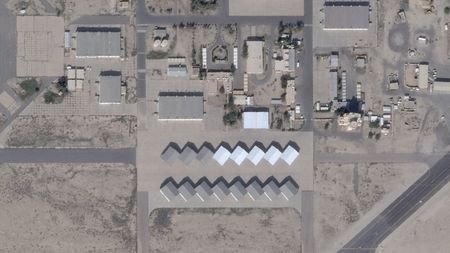
WASHINGTON, March 10 (Reuters) - California-based Planet Labs has expanded restrictions on accessing its imagery of the Middle East to prevent adversaries from using it to attack the U.S. and its allies, a sign of how the expansion of commercial space business can impact conflicts.
Planet, which operates a large fleet of Earth-imaging satellites and sells frequently updated images to governments, companies and media, told customers on Monday that it was extending restrictions to a period of 14 days from a delay of four days imposed last week.
The move was temporary and in “an effort to limit any uncontrolled distribution of the images that might result in their unintentional access and use as tactical leverage by adversarial actors,” a Planet spokesperson told Reuters in a statement.
“This conflict is dynamic and in many ways unique to others, and thus Planet is taking robust steps to help ensure our images do not contribute in any way to attacks on allied and NATO personnel and civilians," the spokesperson said.
Some space specialists say that Iran could be accessing commercial imagery, including via other U.S. adversaries.
SPACE WAR ARENA
Militaries rely on space for everything from identifying targets, guiding weapons and tracking missiles to communications. In a sign of space’s central role in modern warfare, U.S. officials last week said their space forces were among “the first movers” in the operation against Iran.
A U.S. Space Command spokesperson declined to detail the capabilities it used. Space Command is responsible for helping with missile tracking, secure communications and using Pentagon satellites as overwatch for U.S. and joint forces on the ground.
While high-quality satellite imagery used to be the preserve of advanced space powers, access to commercial satellite imagery has leveled the playing field, as Ukraine has experienced during its war with Russia. Now, satellite operators are deploying AI to help speed up the ability to analyze imagery and identify areas of interest.
“This expert analysis used to be the preserve of high-end military analysts, not anymore,” said Chris Moore, a defense industry consultant and retired air vice-marshal in the British military.
“Ultimately it will create an all-seeing eye from space that will make the concealment of military forces and deception operations difficult to achieve.”
(Reporting by Cassell Bryan-Low in London and Joey Roulette in Washington; Editing by Joe Brock and Stephen Coates)