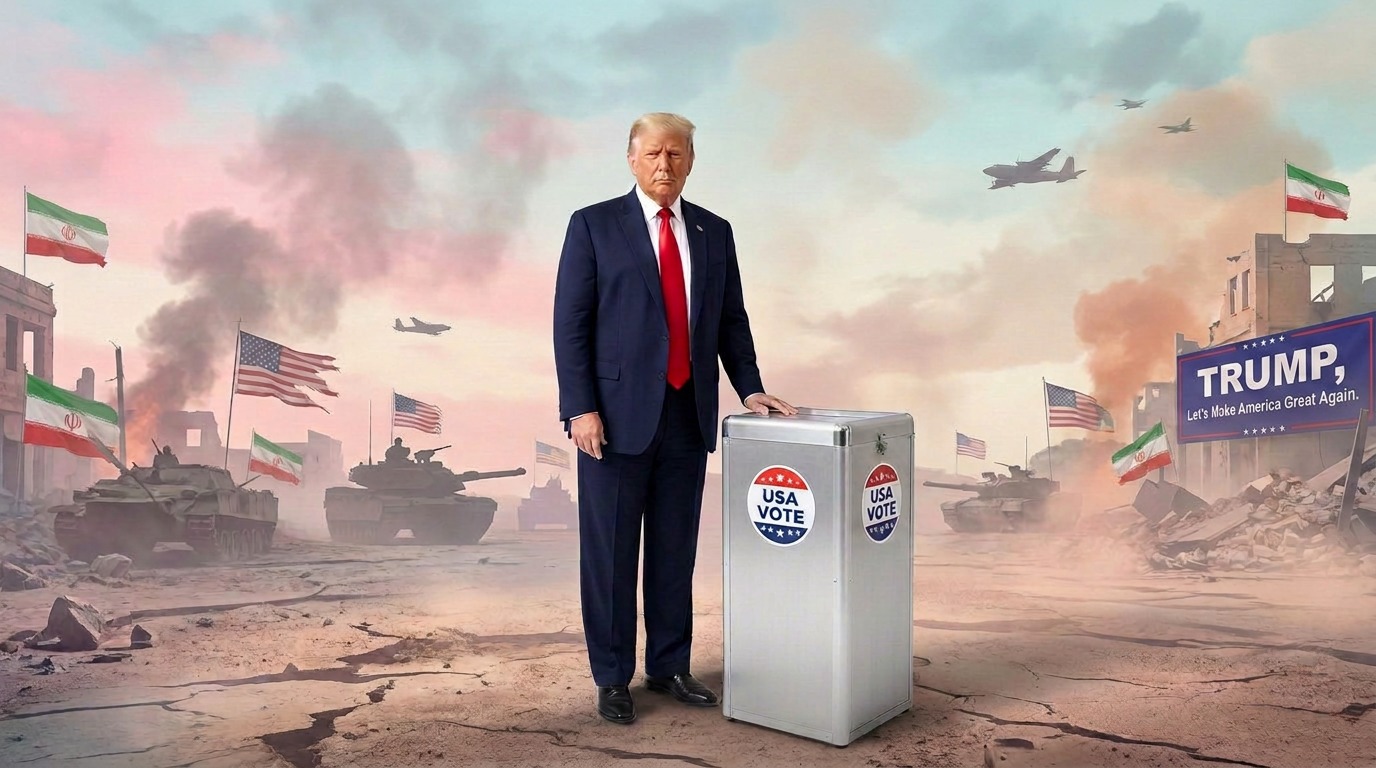
History repeatedly demonstrates that great powers are rarely constrained by their enemies alone. More often, they are limited by economic realities, public opinion, geopolitical overreach and the unintended consequences of their own actions. Military superiority can win battles, but it cannot always guarantee political success. The United States, despite remaining the world’s most powerful nation, is not immune to these pressures. In the unfolding confrontation with Iran, the decisive factor may not ultimately be events in Tehran, Jerusalem or even Washington’s military headquarters. It may instead be the economic pressures felt by ordinary Americans, the political consequences of rising fuel prices and the electoral calculations surrounding November’s midterm elections.
Having attained lone superpower status after the collapse of the Soviet Union, America has largely been driven by two powerful forces: the institutions and interests that shape long-term strategic policy, often described by critics as the “deep state”, and the mood of public opinion. Public opinion in a highly capitalist and consumer-driven society such as the United States frequently remains detached from foreign policy debates until economic consequences begin to affect everyday life.
Historically, voters become politically engaged when inflation, fuel costs and household expenses begin to rise sharply. At that point, distant geopolitical conflicts suddenly become personal. Alongside public opinion sits the influence of security institutions, lobbying networks and what President Eisenhower famously described as the Military-Industrial Complex. The personalities occupying the highest offices of government then become decisive when circumstances permit them to pursue their own strategic visions.
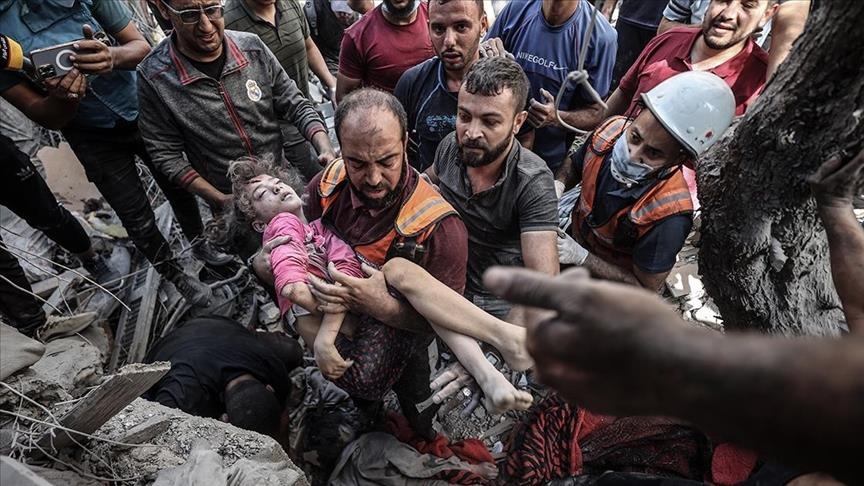
Many observers argue that America is rapidly spending its moral capital through its unwavering support for Israel, particularly in light of the immense civilian suffering witnessed in Gaza. Unlike previous conflicts, the scale of casualties among women and children has been accompanied by unprecedented visibility. Graphic footage and first-hand accounts circulate globally within minutes, bypassing traditional media gatekeepers and shaping public opinion in real time.
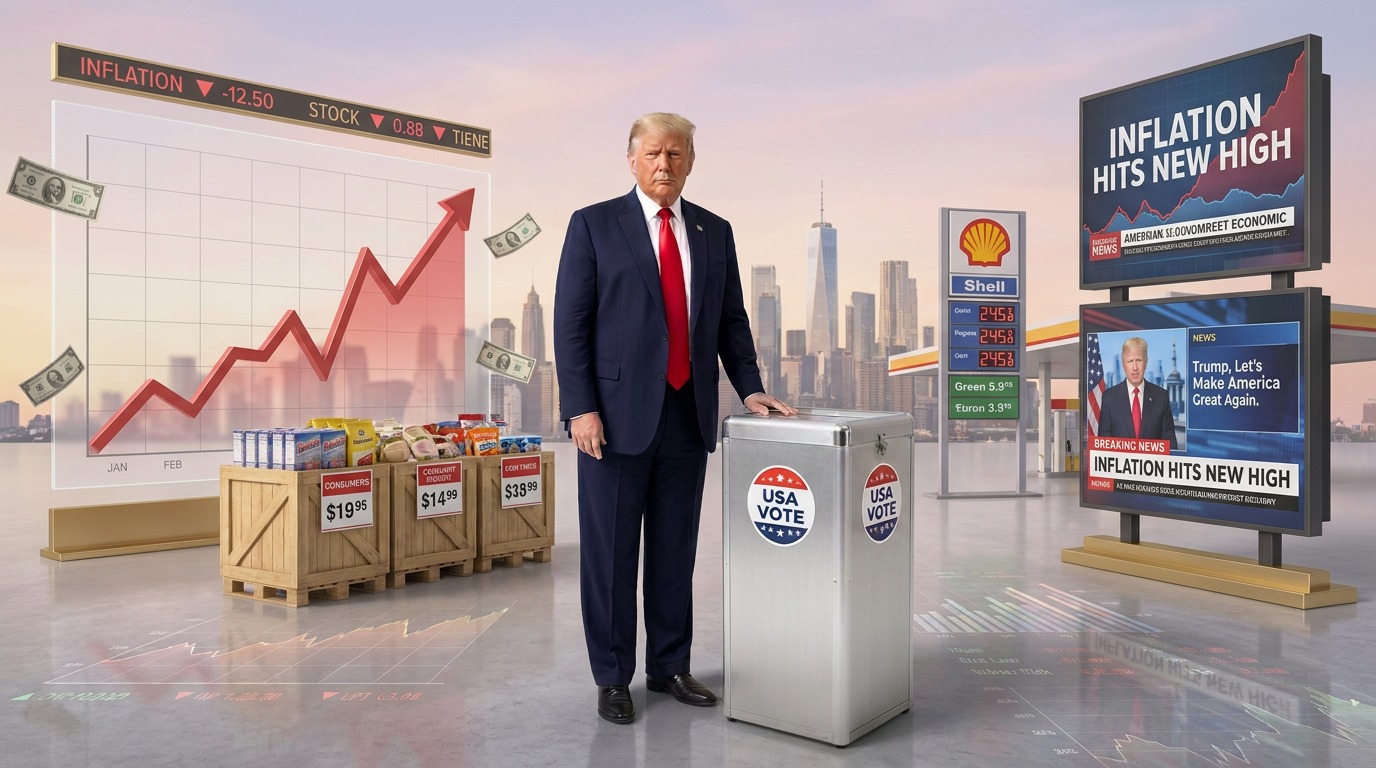
This combination of humanitarian concern, social media exposure and growing anti-war sentiment has coincided with another politically sensitive development: rising fuel prices. Gasoline prices in the United States have reportedly risen from around $3 per gallon to approximately $4.28, having peaked near $4.98. Such increases reverberate throughout the economy, raising transport costs, increasing inflationary pressures and ultimately affecting household budgets.
For political leaders, few issues are more dangerous than rising fuel prices. Voters may tolerate distant wars for a period, but they are far less forgiving when those conflicts begin to affect the cost of commuting, heating homes and feeding their families. The consequences are particularly acute in the United States, where car ownership remains essential for millions of citizens and fuel prices are often viewed as a direct measure of economic competence.
It is against this backdrop that Donald Trump’s calculations must be understood. Critics and supporters alike recognise that Trump approaches politics through the lens of outcomes, optics and electoral advantage. With important midterm elections approaching in November that could alter the balance of power in Congress and the Senate, economic stability has become a political necessity.
From this perspective, the strongest argument for why Trump may ultimately seek peace with Iran is not ideological but electoral. A prolonged conflict risks higher energy prices, market instability and growing public dissatisfaction. A negotiated settlement, by contrast, could help stabilise markets, lower fuel costs and allow Trump to present himself as both a strong leader and a peacemaker.
The timing is also significant. This year marks the 250th anniversary of American independence, an occasion of enormous symbolic importance. Trump would undoubtedly welcome the opportunity to stand before the nation during such commemorations and claim credit for restoring stability, ending conflict and protecting American prosperity. He may even support limited measures that provide relief to Palestinians if such moves contribute to a broader diplomatic breakthrough and improve America’s international standing.
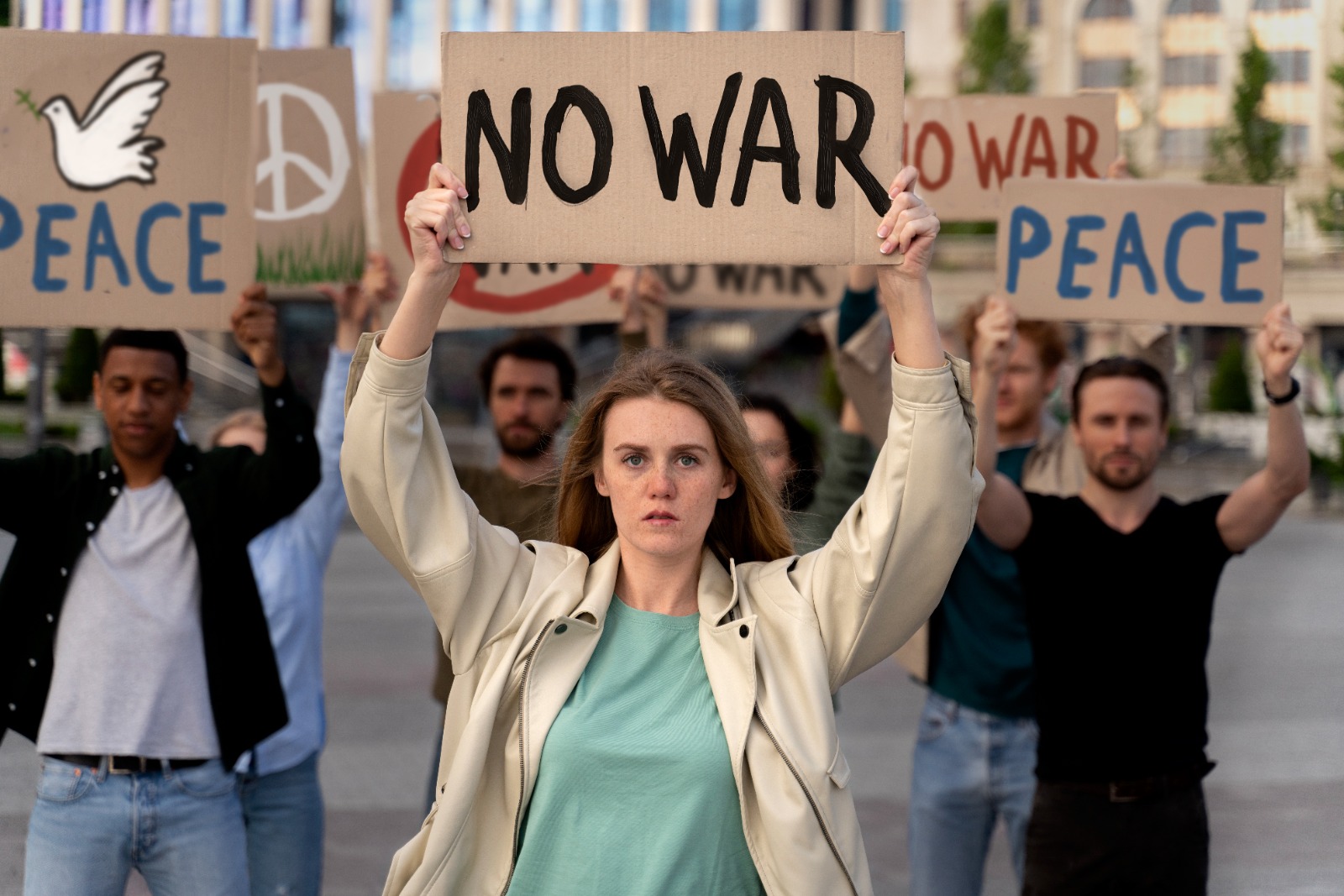
There is also a growing political risk that cannot be ignored. Some commentators have suggested that a significant military escalation, particularly if accompanied by economic hardship or controversial executive actions, could revive discussions around impeachment. Whether such efforts would succeed is another matter entirely, but the possibility itself adds another layer of pressure on a president already navigating multiple political and legal challenges.
At the same time, critics have raised questions about perceived conflicts of interest surrounding Trump’s wider political and business network. Figures such as Jared Kushner and other associates have frequently come under scrutiny regarding business relationships and regional interests in the Middle East. More broadly, some market commentators and political opponents have pointed to occasions when major presidential announcements appeared to coincide with dramatic movements in financial markets, energy prices and defence-related shares.
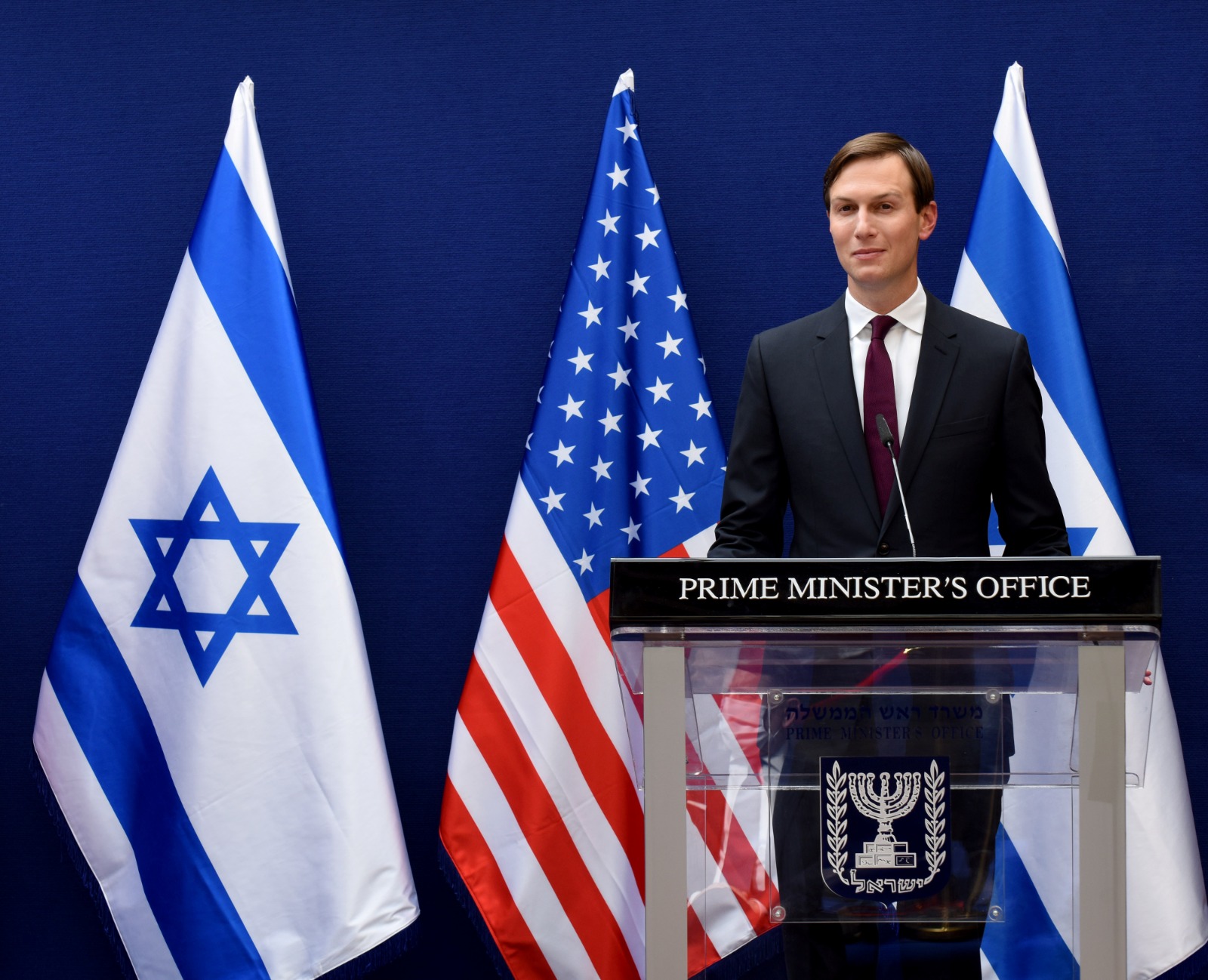
These commentators argue that extraordinary volatility surrounding geopolitical crises can create opportunities for substantial financial gains. Some have alleged that individuals within political and business circles may benefit from market movements triggered by government actions. Such claims remain highly contested and often unproven, but they continue to fuel public debate about transparency, ethics and the relationship between political power and financial interests.
A further challenge facing Washington is the changing global balance of power. While the United States remains the world’s leading military and economic power, it now faces increasingly coordinated resistance from rival centres of influence. The growing strategic partnership between China and Russia has added a new layer of complexity to American decision-making. Both powers have deepened political, economic and military cooperation at a time when many believe Washington risks becoming trapped in another costly Middle Eastern conflict. For critics of American foreign policy, the prospect of the United States becoming bogged down in regional wars while China expands its economic reach and Russia consolidates its strategic partnerships represents a significant geopolitical concern.
Equally striking has been Iran’s own response to the crisis. From the Iranian perspective, this has been framed as an existential struggle against external aggression. Many observers, particularly across parts of the Global South, argue that Iran has demonstrated resilience, strategic patience and national unity in the face of overwhelming military pressure. Despite vast disparities in military spending and technological capabilities, Iran has remained a formidable opponent, confounding expectations of a swift or decisive outcome.
Supporters of this view argue that Tehran has effectively played a long-term strategic game, forcing its adversaries to confront the limits of military power. They contend that the conflict has exposed vulnerabilities in assumptions surrounding overwhelming military superiority and highlighted the enduring importance of national cohesion, asymmetric capabilities and strategic geography.
Indeed, geography may prove to be Iran’s greatest ally. The Strait of Hormuz remains one of the most strategically important waterways on Earth, through which a substantial proportion of the world’s energy supplies pass. The mere possibility of disruption gives Tehran leverage far beyond what might be expected from a country facing far more powerful military adversaries. This geographical reality has helped keep Iran firmly in the strategic equation against considerable odds.
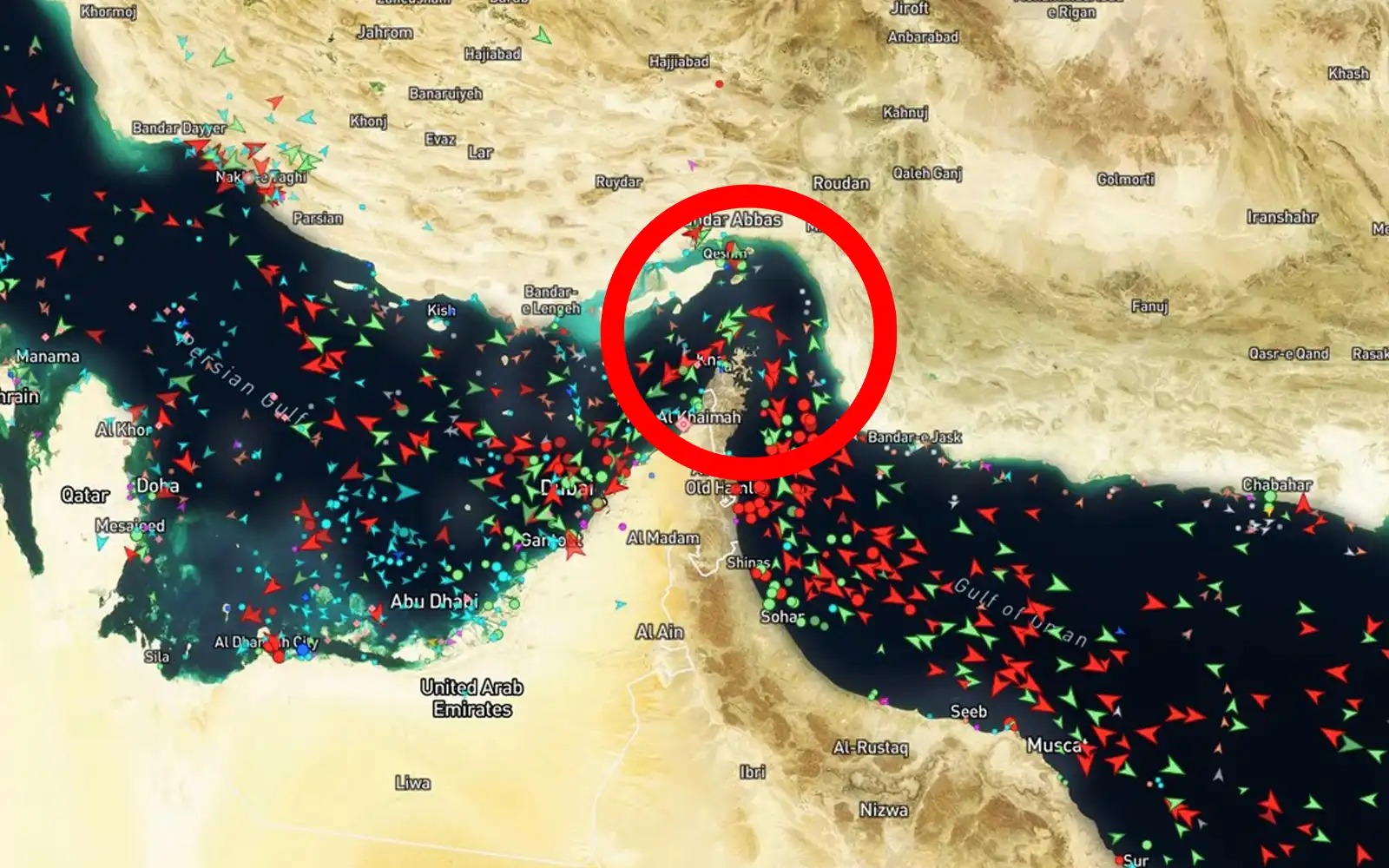
History is filled with examples of smaller powers resisting larger ones through a combination of geography, determination and strategic ingenuity. Some commentators have drawn parallels with the famous stand of the Spartans at Thermopylae, where a vastly outnumbered force leveraged terrain and resolve to challenge a much larger empire. While no historical analogy is perfect, such comparisons reflect a broader belief that geography and national will can sometimes offset significant disparities in raw military power.
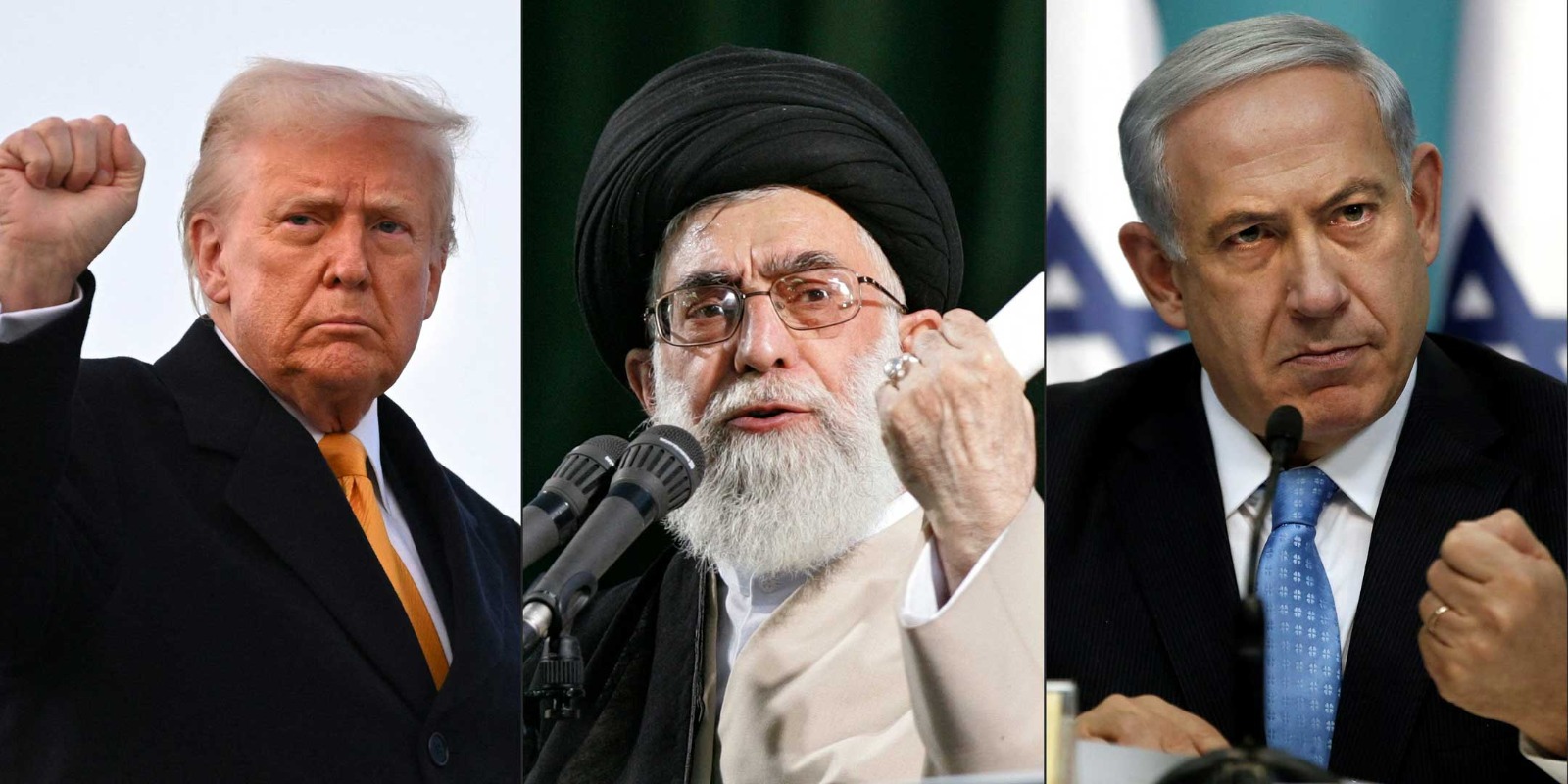
Whether one agrees with Tehran’s policies or not, the conflict has demonstrated that military strength alone does not always determine outcomes. National unity, strategic patience, geography and resilience remain powerful factors in modern warfare. To many observers, Iran’s ability to withstand pressure from a coalition of far stronger adversaries has become a case study in how smaller states can continue to shape events despite overwhelming odds.
What appears increasingly clear is that the Republican Party itself is becoming conscious of the political dangers associated with a prolonged conflict. While many Republican lawmakers remain supportive of a robust foreign policy, there are signs that concerns about inflation, energy prices and electoral consequences are beginning to influence internal discussions. Some fear that an extended confrontation could damage the party’s standing with independent voters and suburban constituencies. Others worry that not even the strength of the MAGA movement would be sufficient to offset the political costs of a worsening economic climate.
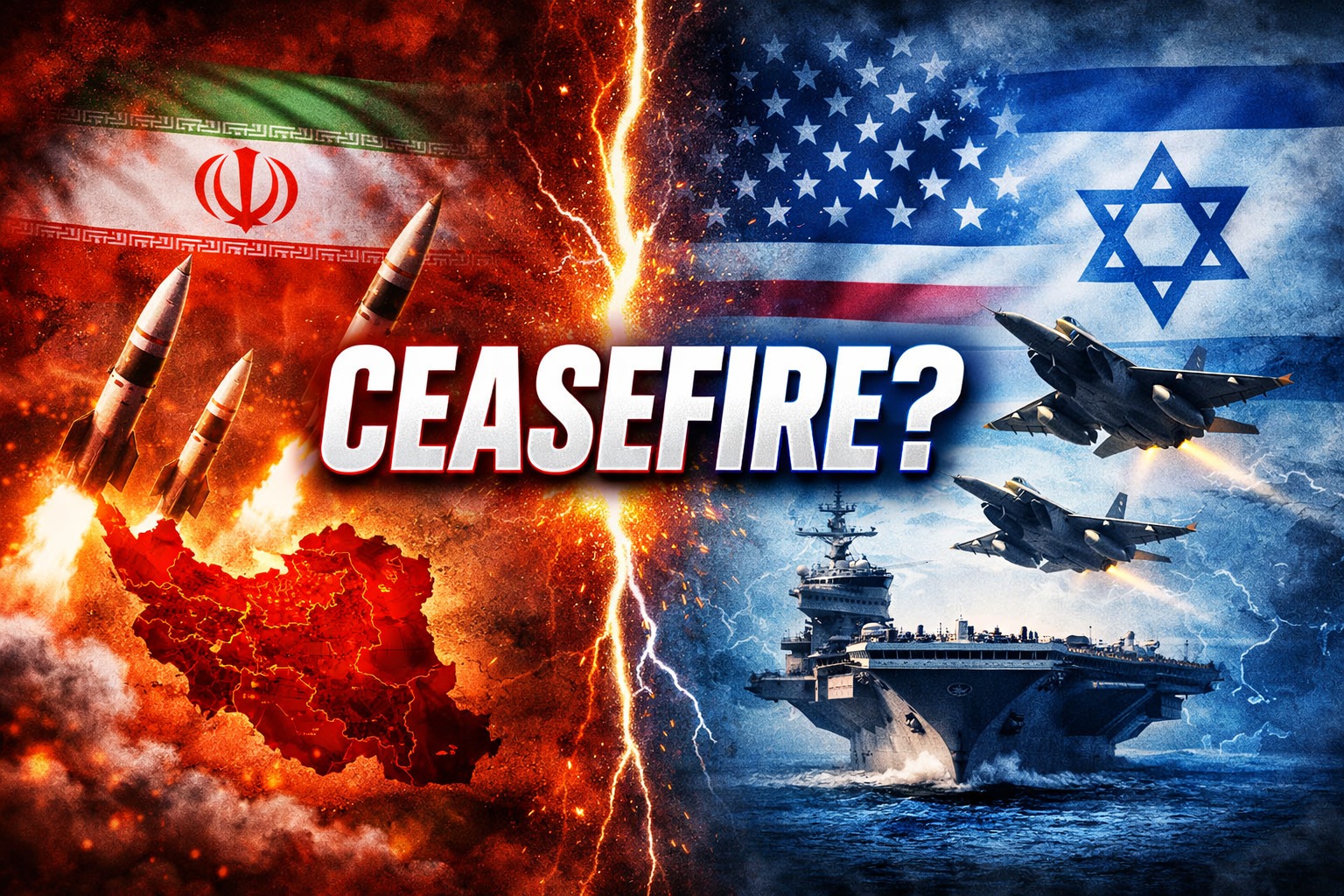
Trump therefore appears to be engaged in a race against time. His objective may be to achieve whatever strategic goals he considers necessary while still leaving enough time for economic recovery before voters head to the polls. In theory, lower fuel prices, calmer markets and reduced international tensions could help him reclaim the political narrative and present himself as the triumphant leader who restored order after a period of instability.
Yet many analysts argue that political momentum is far more difficult to reverse than it once was. Public perceptions, once formed, can become deeply entrenched. The economic effects of conflict often linger long after the headlines fade. Markets may recover quickly, but public confidence frequently takes longer to return.
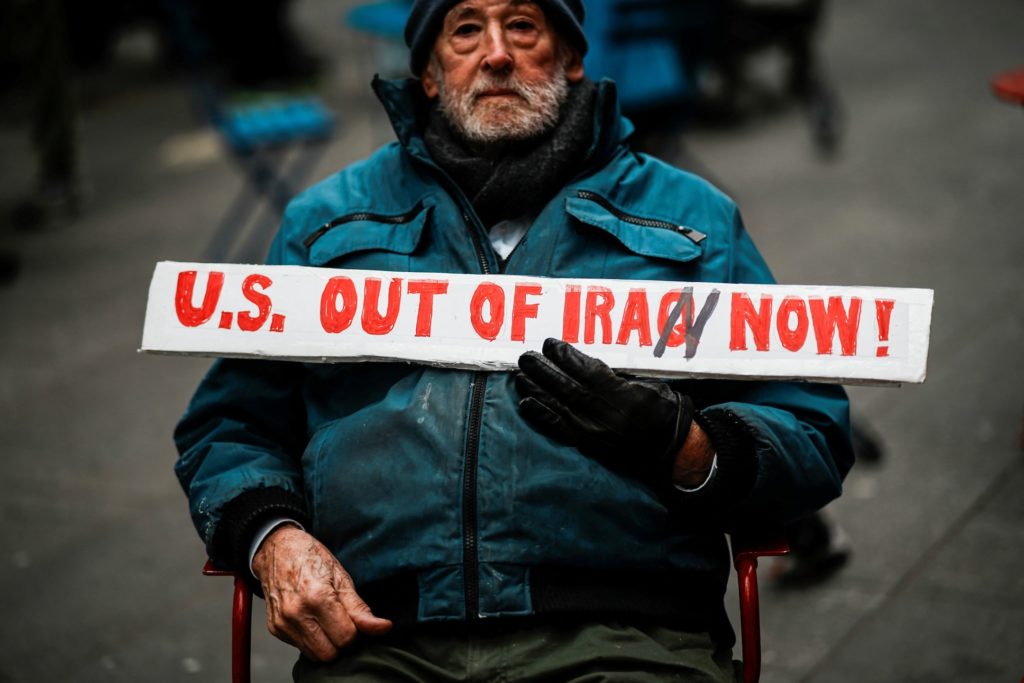
Whether Trump can successfully navigate these challenges remains uncertain. What is certain is that the coming months are likely to be among the most consequential of his political career. The outcome will not simply determine the future of one presidency. It may also reveal the extent to which even the most powerful nation on earth remains constrained by the oldest force in politics: the judgement of its own people.