By Willy Kurniawan
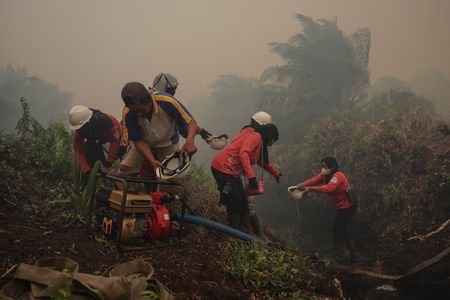
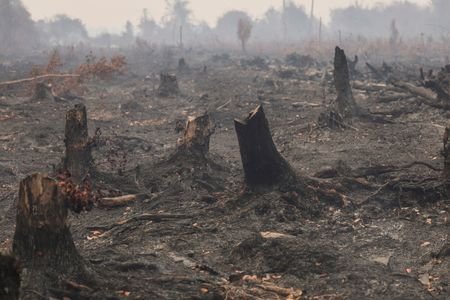
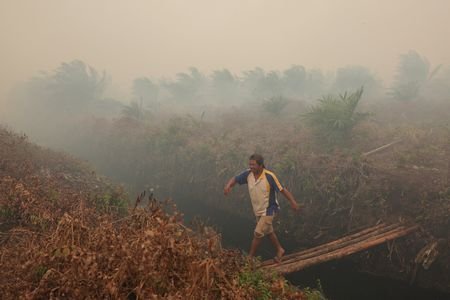
KETAPANG, Indonesia, Sept 24 (Reuters) - The sky over Indonesia's Borneo island is orange and heavy with smoke as a result of the country's worst wildfires in more than a decade, which have left swathes of forest blackened and many locals suffering from respiratory problems.
Another thing farmer Juniarni has noticed is the birds have fallen silent, victims of the fires and choking smog.
Typically, the birds are everywhere in the village of Sungai Awan Kiri in West Kalimantan province where she lives, their chirping a constant reminder of their presence. Now, there is only silence, she says, another sign of the impact of the fires on the environment.
"They haven't done anything wrong. Why are they the victims?" said 48-year-old mother-of-three Juniarni, who uses one name like many Indonesians. "There were fires everywhere around us."
Fires are always a risk in the dry season. This year they have been raging for longer than usual, especially on the islands of Borneo and Sumatra, and have been made worse by the drought-inducing El Niño weather pattern, prompting efforts to control their spread.
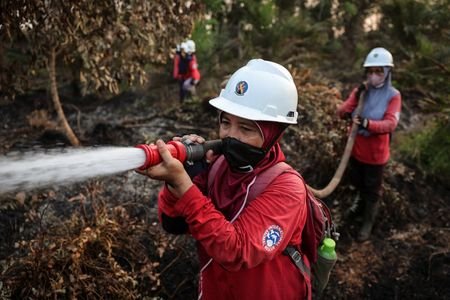
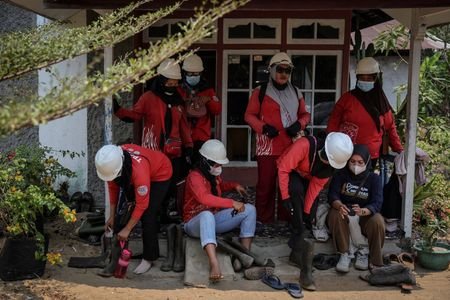
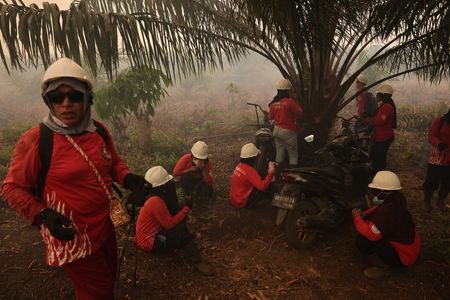
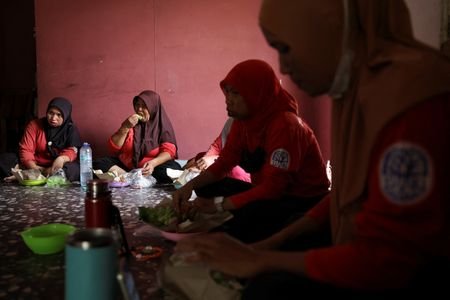
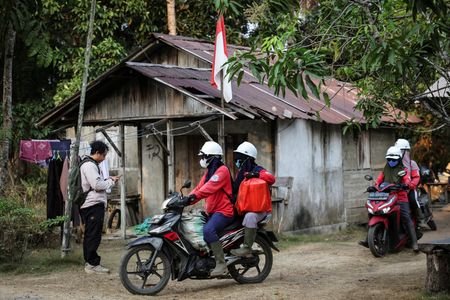
That includes Juniarni and over 140 other women who make up the all-women firefighting group called The Power of Mama. She noticed the gradual loss of birdsong as she patrolled a series of 10 villages with the other women, who include farmers and stay-at-home mums.
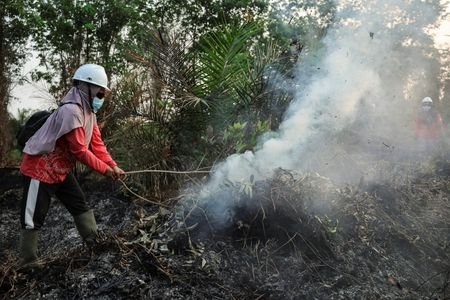
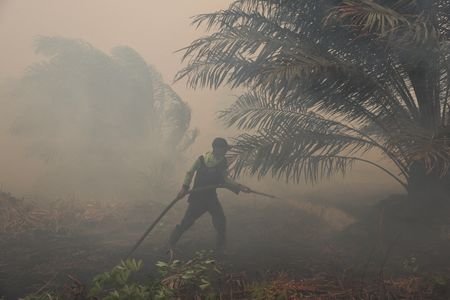
Wrapped in red protective suits, the unpaid volunteers patrol on motorcycles to record hotspots and put out fires. The women said they also advise neighbours against using fire to clear land for palm oil plantations, a staple crop for many farmers, because the practice adds to the risk of more blazes.
SAFEGUARDING THE FORESTS
In 2022, non-government environmental group Yayasan Inisiasi Alam Rehabilitasi Indonesia (YIARI), which translates to Indonesia Nature Rehabilitation Initiative Foundation, brought the women together from four villages in the Ketapang region and trained them in how to fight fires.
"These women felt like the forests are theirs, safeguarding them with all their heart," said YIARI's Mita Anggraini, the group's supervisor, adding YIARI provides them with mobile phones and lunch allowances. YIARI does not permit the women to handle big fires.
Mita said one reason the women volunteer is to reduce the risk of respiratory problems for many people from the thick smoke that blankets many parts of the island during the fire season.
Firefighting volunteer Elly Marlina, 46, said her children had suffered from respiratory infections in the past.
"It took over a year for them to recover," she said.
Putting out the fires that are visible is only half the challenge, said farmer Irma, a 38-year-old mother of two. That's because the fires also smoulder underground in the peat of Borneo, which is highly combustible and a constant fire risk in the dry conditions.
"Our land was most susceptible to fires," she said. "This year is especially worse because our water supplies dry up."
Indonesia's forestry minister said the fires could go longer than usual, this time until early November, with the late arrival of the rainy season.
The spread of the wildfires in the disaster-prone archipelago has been exacerbated by the onset of dry weather from June, with Indonesia deploying more than 50 aircraft for water bombing and cloud seeding activities.
From January to July this year, fires burned around 202,000 hectares (almost 500,000 acres) of land in Indonesia, an area almost the size of metropolitan Tokyo. West Kalimantan was the worst-hit province, with more than 38,000 hectares burned, government data shows.
Elly says the fires are worse than normal this year and affecting forests and peatland still struggling to recover from previous seasonal fires, prompting concern about their future.
"Our hope is fading, because as you can see, there are no more forests."
(Additional reporting by Yuddy Cahya Budiman; Writing by Stanley Widianto; Editing by Neil Fullick)