By Jim Urquhart and Andrew Hay
PROVO, Utah, Sept 1 (Reuters) - Nearly a year after Charlie Kirk was shot dead at a Utah university, a judge heard arguments on Tuesday about whether the Utah man accused of killing the right-wing activist should stand trial and whether prosecutors can seek the death penalty.
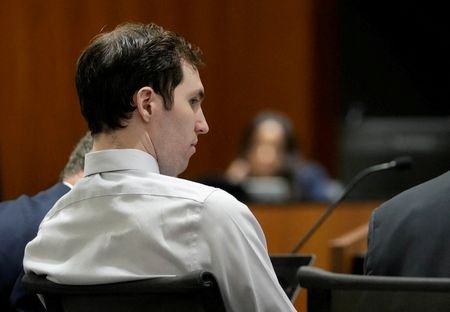
At a hearing in Utah District Court in Provo, prosecutors laid out what they have called "overwhelming" evidence that a capital trial of Tyler Robinson, 23, is warranted for the murder of one of the U.S. political right's most prominent figures.
Prosecutors have accused the former apprentice electrician of firing the single shot that killed Kirk, 31, as he held one of his trademark campus debates that helped propel him to national prominence.
Robinson faces seven charges, among them aggravated murder for endangering the lives of others at the event. That count carries the death penalty in Utah.
Utah County prosecutor Ryan McBride presented video of what he said was Robinson taking up a sniper position at Utah Valley University in Orem on September 10, 2025, before he shot Kirk.
He displayed pictures that he said showed Robinson created a "great risk of death" to others because audience members were only feet away from Kirk at the time of the shooting.
McBride said the four rounds in Robinson's rifle demonstrated that the shooter was prepared to fire more rounds if the first missed, further endangering others.
"He lay down in a prone position, and he would have seen this mass of people of 3,000 plus people there for the event, took aim, put his crosshairs on Charlie Kirk, and fired," McBride told the court.
Lawyers for the defense will argue on Tuesday against a trial and the death penalty. They have said prosecution evidence is insufficient to merit a trial and that the crime does not reach the standard of aggravated murder.
Judge Tony Graf will rule from the bench after hearing both sides. Should he find probable cause for a trial, an arraignment could follow, a Utah courts spokesperson said. Robinson has yet to enter a plea.
During the hearing, the prosecutor cited test results that showed Robinson's DNA was on the alleged murder weapon and messages from Robinson to his then-boyfriend, Lance Twiggs, and friends, saying he killed Kirk.
McBride alleged Robinson targeted Kirk for his political views against gay marriage and transgender rights. That argument could bolster the prosecution as it pursues the death penalty.
Tuesday's proceedings follow a week-long preliminary hearing in July during which Robinson's lawyers questioned the prosecution's DNA testing and said police failed to investigate evidence someone else might have carried out the killing.
His attorneys have argued the shooting is not a capital offense because the shooter hit the "intended target" and did not put anyone else's life at risk.
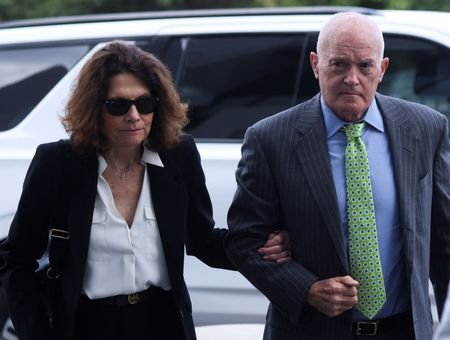
Among those in the packed courtroom were Kirk's parents, Robert and Kathryn, and his wife, Erika, who has taken leadership of the late activist's conservative youth organization.
A co-founder of conservative youth organization Turning Point USA, Kirk was credited with energizing young voters behind President Donald Trump's 2024 reelection campaign.
His killing, captured in cellphone video that spread widely on social media, is among a series of attacks on U.S. political figures in recent years that have fueled debate over political violence in a deeply polarized country.
At a memorial following Kirk's shooting, Erika Kirk said she forgave the alleged shooter. She has not commented on the death penalty charge.
(Reporting by Jim Urquhart in Provo, Utah, Andrew Hay in New Mexico, additional reporting by Matt McKnight in Seattle; editing by Donna Bryson and Cynthia Osterman)