By Olivia Le Poidevin
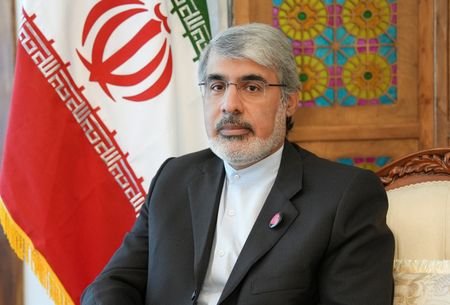
GENEVA, June 23 (Reuters) - Iran's ambassador to the United Nations in Geneva on Tuesday reported good progress in peace talks between the United States and Iran, but denied U.S. claims that Tehran would use assets unfrozen as part of a deal to buy U.S. commodities.
"Our colleagues continue to discuss in very good talks yesterday at the technical level," said Ali Bahreini, adding that two working groups will be established within the coming days to discuss the removal of sanctions against Iran and issues related to Iranian nuclear activities.
The two sides, trying to build on the interim deal they signed last week to end more than three months of conflict, agreed a roadmap towards a permanent agreement within 60 days at the talks in the Swiss mountain resort of Buergenstock, mediators Pakistan and Qatar said.
The U.S. waived sanctions on Iran for 60 days from Monday after the first round of talks.
Bahreini, however, rejected a statement made by U.S. Vice President JD Vance on Monday that the U.S. and Qatar would have control over Iranian funds when they are unfrozen, and the money could be spent on U.S. corn, soy and wheat.
According to Vance, the proposal had been put forward by Jared Kushner, President Donald Trump's son-in-law.
"Iran is the only country to decide what to do with its assets, which are going to be defrozen, and so I reject any claim about that if there would be any role for any other country to have an influence on those decisions or on those processes," Bahreini told reporters in Geneva.
Iran’s frozen assets largely consist of oil revenues and central bank reserves trapped overseas, built up over years of sanctions. About $12 billion is expected to be released under the initial accord.
Bahreini said there would be some technical arrangements made by Washington and Doha, because the assets were frozen by the U.S., and some are in Qatar.
"Certainly Iran does not allow them to have further influence on the other processes, which have been related to buying the commodities and importing them. That is something that Iran, and only Iran, will decide," he said.
(Reporting by Olivia Le Poidevin; additional reporting by Humeyra Pamuk and Dave Graham in Buergenstock, Laila Bassam in Beirut and Reuters bureausEditing by Linda Pasquini and Sharon Singleton)