Aug 11 (Reuters) - Some voters and supporters of Russia's only registered anti-war party on Tuesday criticised a Supreme Court ruling to exclude it from the upcoming parliamentary election.
With only a handful of regional seats, Yabloko was never going to dent the dominance of the Putin-backed United Russia party in the September vote, but Monday’s court decision further limits Russians’ ability to register their opposition to the four-year war at a time when any dissent carries risks.
Yabloko has vowed to appeal the verdict, thanking backers for their support in a post on the Telegram messaging app that had attracted over 100,000 likes as of Tuesday afternoon.
"It was wrong to bar them. Why not give them the opportunity to (put forward) some of their own plans and ideas?" said Alla Galieva, who was visiting Moscow from her hometown of Barnaul in western Siberia.
Yabloko, once a leading liberal force in post-Soviet Russia, denies the allegations in the lawsuit upheld by the court, including that it received undeclared campaign support from Western sources.
It had used its campaign platform to promote its call for Russia to sign a ceasefire agreement with Ukraine, providing a rare outlet for the expression of anti-war views that the authorities have sought to stifle with tightened censorship laws, rights groups say.
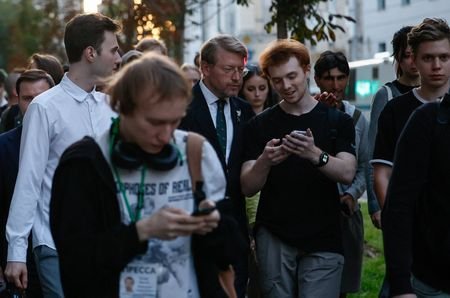
"Democracy should not be restricted in this way. I'd prefer if everyone who wants to should be able to put forward their programme and try to run in an election on equal terms," said Moscow resident Tatyana Uvarova, on a leafy thoroughfare of the capital. "But what can be done? These are difficult times."
Another passerby, who gave his name as Daniil, said he was not sure who to vote for if Yabloko remained out of the running.
"The anti-war majority of Russians saw that it had a unique chance to express its position and vote for an anti-war party. The Kremlin could not allow that," said Yulia Navalnaya, the widow of late Russian dissident Alexei Navalny, in a video posted online.
The level of war fatigue and anti-war sentiment is difficult to assess due to strict state controls on dissent.
Intensifying Ukrainian drone attacks on Russian energy facilities and logistics hubs have disrupted daily life in many parts of the country in recent months, prompting the authorities to intervene to support the domestic fuel market.
(Reporting by Reuters; Writing by Alessandra Prentice;Editing by Alison Williams)