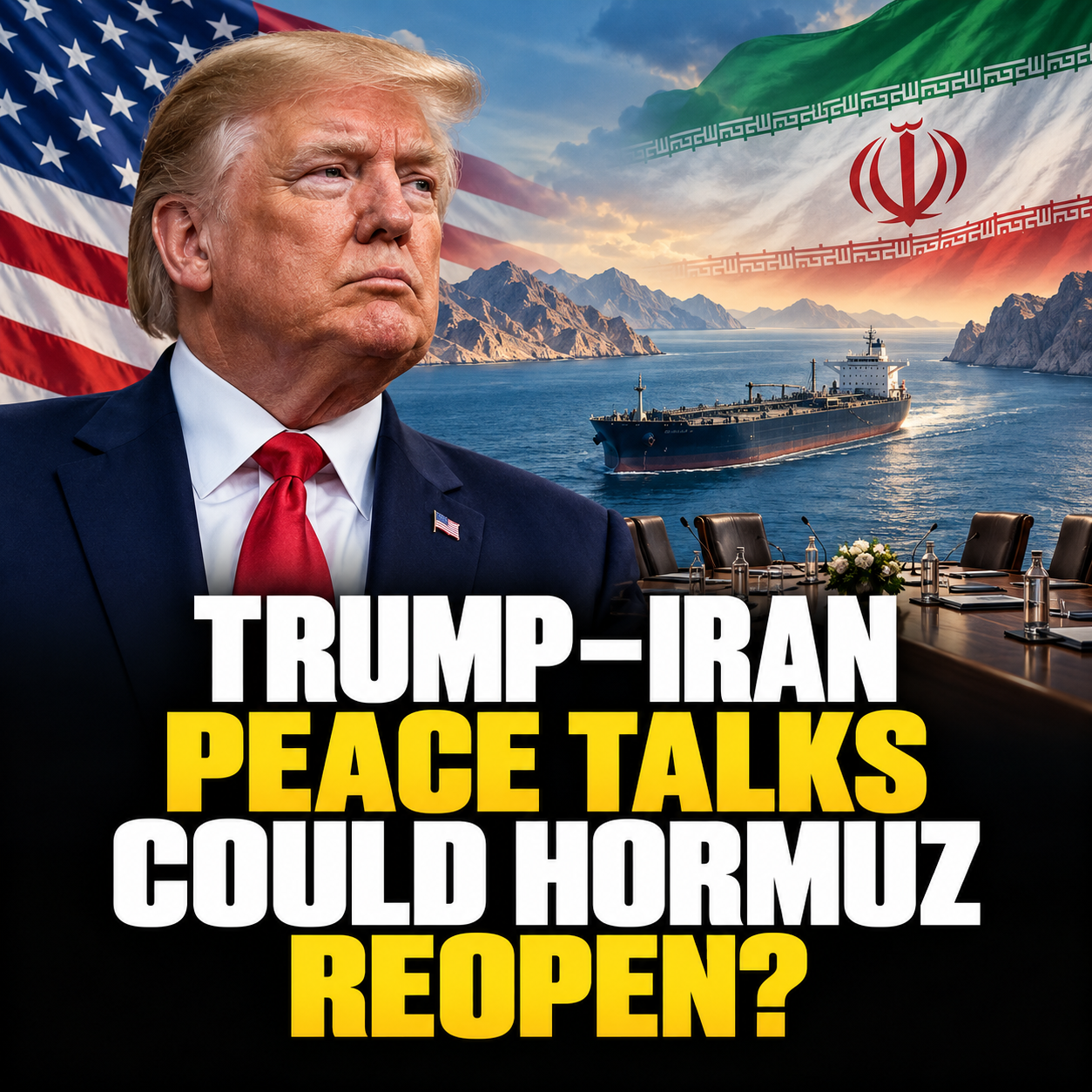
Diplomatic efforts are exploring a way to restore shipping through a critical Gulf waterway. The proposed timetable remains conditional, and an agreement has yet to be announced in the latest reporting.
Trump Iran talks have returned attention to the Strait of Hormuz, with Iranian negotiators and Qatari mediators exploring a possible agreement. Reuters reported that the discussions continued for a third consecutive day on 1 November, without a final conclusion. [1]
The diplomacy is being conducted through intermediaries. It offers a possible route towards reopening the waterway, but the proposal’s timetable depends on reaching an agreement and putting its terms into effect. For governments and businesses watching the Gulf, that distinction separates a diplomatic opening from an actual restoration of reliable shipping.
What the Trump Iran talks are trying to achieve
According to Reuters, Iranian Foreign Minister Abbas Araqchi discussed a proposal that could reopen the strait within two days of a potential agreement with Washington. The two-day period is conditional on a deal, rather than a confirmed reopening date. [1]
Reuters reported on 31 October that mediators had proposed a seven-day confidence-building plan. The sequence of commitments is part of what negotiators must resolve, alongside the eventual outcome. [2]
Why the Strait of Hormuz matters
The narrow passage connects the Persian Gulf with the Gulf of Oman and the Arabian Sea. The International Energy Agency estimates that about 20 million barrels of crude oil and petroleum products passed through it daily in 2025, accounting for roughly a quarter of global seaborne oil trade. [3]
Those figures describe normal historical flows, rather than current traffic during the conflict. They explain the international stakes: disrupted Gulf exports can affect prices and supply options far beyond the countries directly receiving the cargoes. Alternative pipelines through Saudi Arabia and the UAE provide some flexibility, but their available capacity is limited compared with normal Hormuz shipments. [3]
Why diplomacy remains uncertain
US Secretary of State Marco Rubio said on 31 October that President Donald Trump preferred a diplomatic resolution but had not decided whether to launch further strikes, Reuters reported. That leaves negotiations taking place alongside the possibility of renewed escalation. [2]
Gulf governments are also weighing that risk. Associated Press reported that UAE presidential adviser Anwar Gargash described diplomacy, including Qatar-led mediation, as the best hope of avoiding renewed conflict and warned that military action would complicate the crisis. His assessment reflects regional concern, rather than confirmation that negotiations will succeed. [4]
How oil markets are responding
Reuters reported Brent crude at $109.75 a barrel at 04:07 GMT on 2 November, down $3.68 as diplomatic hopes helped ease immediate supply concerns. That quotation is a timestamped market snapshot, and a price fall does not establish that shipping restrictions have ended. [5]
For UK motorists, any relief would pass through wholesale fuel markets and the supply chain. The RAC says pump prices also reflect exchange rates, refining and distribution costs, taxes and retailer margins. It describes a typical lag of about two weeks between wholesale changes and their appearance at forecourts, with variation between retailers. [6]
Impact and conclusion
A workable agreement could reduce uncertainty for energy buyers and businesses dependent on Gulf shipping. For households, sustained improvements in supply conditions could eventually ease some fuel-price pressure, although exchange rates and domestic pricing decisions would continue to influence the final bill. [3, 6]
The practical test for the Trump Iran talks is implementation. Clear terms, compliance by the parties and evidence that commercial traffic can move reliably would matter more than an announced timetable alone. Until an agreement is reached and carried out, the Strait of Hormuz remains a source of economic uncertainty and regional security risk.
Sources and references
[1] Reuters — Iranian and Qatari negotiations, 1 November 2026
[2] Reuters — mediation and US position, 31 October 2026
[3] International Energy Agency — Strait of Hormuz factsheet, February 2026
[4] Associated Press — Gulf officials call for diplomacy
[5] Reuters — oil market update, 2 November 2026
[6] RAC — what affects UK fuel prices, 23 January 2026